Irresistible Homemade Challah Bread for Cozy Family Meals
Last Updated on May 8, 2026 by enricorecipez
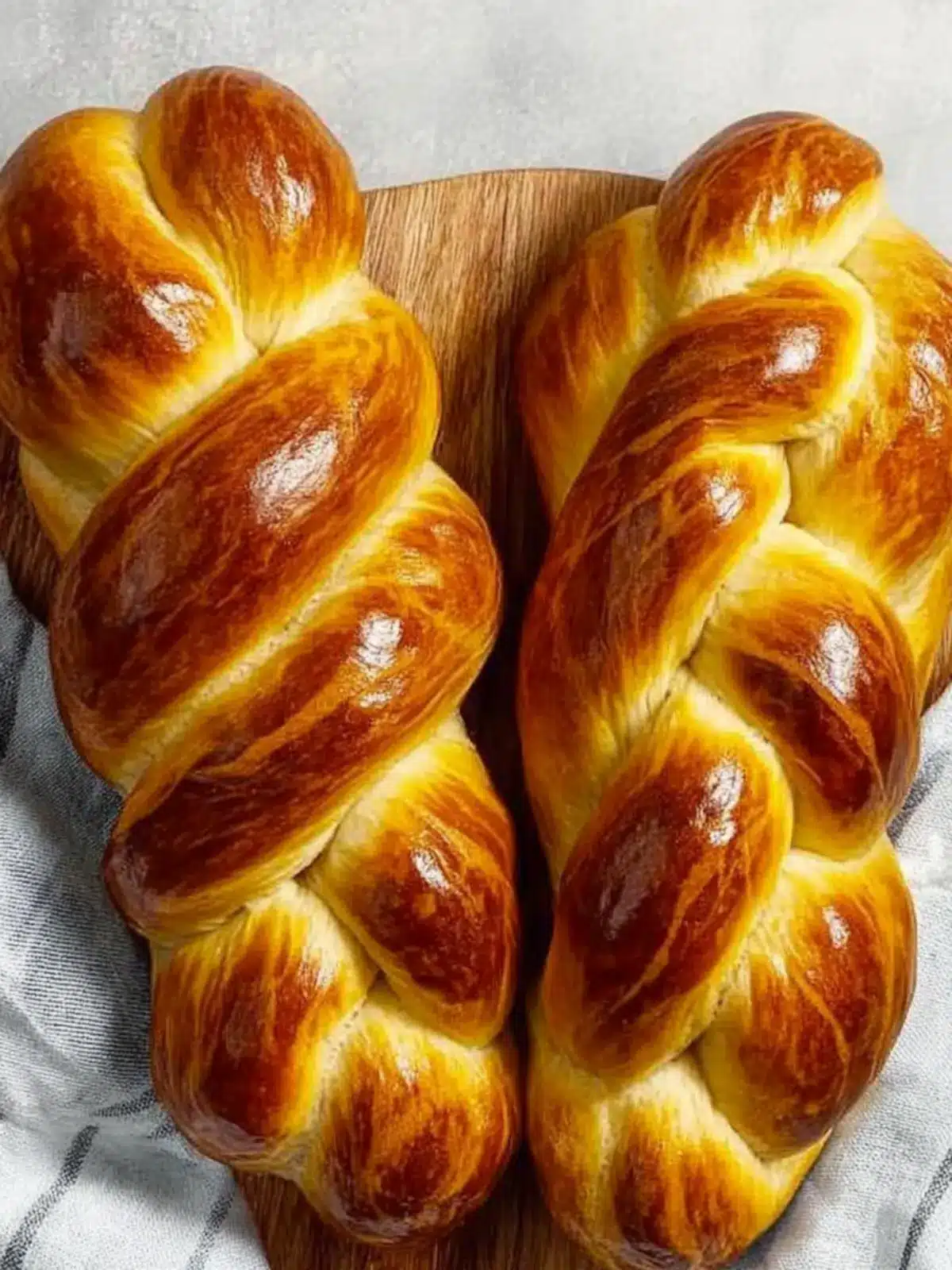
As autumn whispers its cool breeze and I find myself longing for the warmth of home, there’s nothing quite like the comforting aroma of freshly baked challah wafting through the kitchen. This delightful, braided bread is not just a staple for special occasions; it has a magical way of transforming an ordinary day into something extraordinary. The process of kneading the dough becomes a meditative ritual, and I can t help but smile with anticipation as I shape each piece into ropes, ready to be lovingly intertwined.
I first discovered this recipe during a lazy Saturday afternoon, inspired by a desire to escape the monotony of takeout meals. The ease of crafting this bread while impressing family and friends with its stunning appearance makes it a true kitchen triumph. Imagine pulling a warm loaf from the oven, its golden crust crackling as you slice into it. Each bite reveals a soft, pillowy interior that s perfect for everything from sandwiches to French toast.
Join me on this delightful journey to homemade bliss, and let s bring a touch of sweetness to our lives with this easy-to-follow challah recipe!
Why is Challah the Ultimate Comfort Food?
Comforting aromas fill your kitchen as this bread bakes, creating a cozy atmosphere.
Elegant presentation with its beautiful braided shape makes it a showstopper at any meal.
Easy to make even for beginners, you’ll surprise yourself with this homemade masterpiece.
Versatile usage allows you to enjoy it fresh, toasted, or in delicious recipes like French toast.
Family bonding happens over the kneading and shaping process, turning baking into quality time.
If you love experimenting with homemade delights, follow this easy-to-follow challah recipe!
Challah Bread Ingredients
For the Dough
- Active dry yeast Essential for a beautiful rise, activating with warm water brings life to your challah.
- Warm water Helps activate the yeast; ensure it’s between 110° to 115° for best results.
- Canola oil Adds moisture and a subtle flavor; it can be substituted with vegetable oil.
- Sugar Balances flavors and helps achieve that golden crust; you can use honey for a natural sweetness.
- Salt Enhances the overall taste, so don t skip this crucial component!
- Large eggs A key ingredient for rich flavor and lovely texture; remember to use room temperature eggs for optimal mixing.
- All-purpose flour Provides the structure, make sure to adjust the amount based on your dough’s feel.
For the Topping
- Large egg (for topping) Gives the bread a beautiful sheen and rich color when baked.
- Cold water (for topping) Helps achieve that golden glaze when mixed with the egg.
- Sesame or poppy seeds, optional Sprinkling these adds a delightful crunch and an extra layer of flavor to your challah.
With these challah bread ingredients, you’re just a step away from creating a deliciously braided loaf that will become a cherished part of your family meals!
How to Make Challah
Dissolve yeast: In a large bowl, combine the warm water and yeast. Stir gently, allowing the yeast to activate, which usually takes about 5 minutes until it s frothy. This step is essential for a light loaf!
Mix ingredients: Add canola oil, sugar, salt, eggs, and 4 cups of flour. Beat until the mixture is smooth and well combined. Gradually stir in enough of the remaining flour to form a firm dough.
Knead the dough: Turn the dough out onto a floured surface and knead for 6-8 minutes until it s smooth and elastic. The dough should feel soft yet slightly tacky. Place it in a greased bowl, turning once to coat.
First rise: Cover the bowl with a damp cloth and let it rise in a warm area until it doubles in size, which takes about 1 hour. You ll know it s ready when you can gently poke it, and it springs back.
Shape the dough: Punch down the risen dough and turn it out onto a lightly floured surface. Divide it in half and then each portion into thirds. Roll each piece into a 15-inch rope, ready for braiding.
Braid and second rise: Take three dough ropes, place them on a greased baking sheet, and braid them together. Pinch the ends to seal. Repeat with remaining dough. Cover again and let rise until doubled, about 1 hour.
Prepare for baking: Preheat your oven to 350°F. Beat the additional egg with cold water, then brush this mixture over the braids. If desired, sprinkle sesame or poppy seeds on top for an extra crunch and flavor.
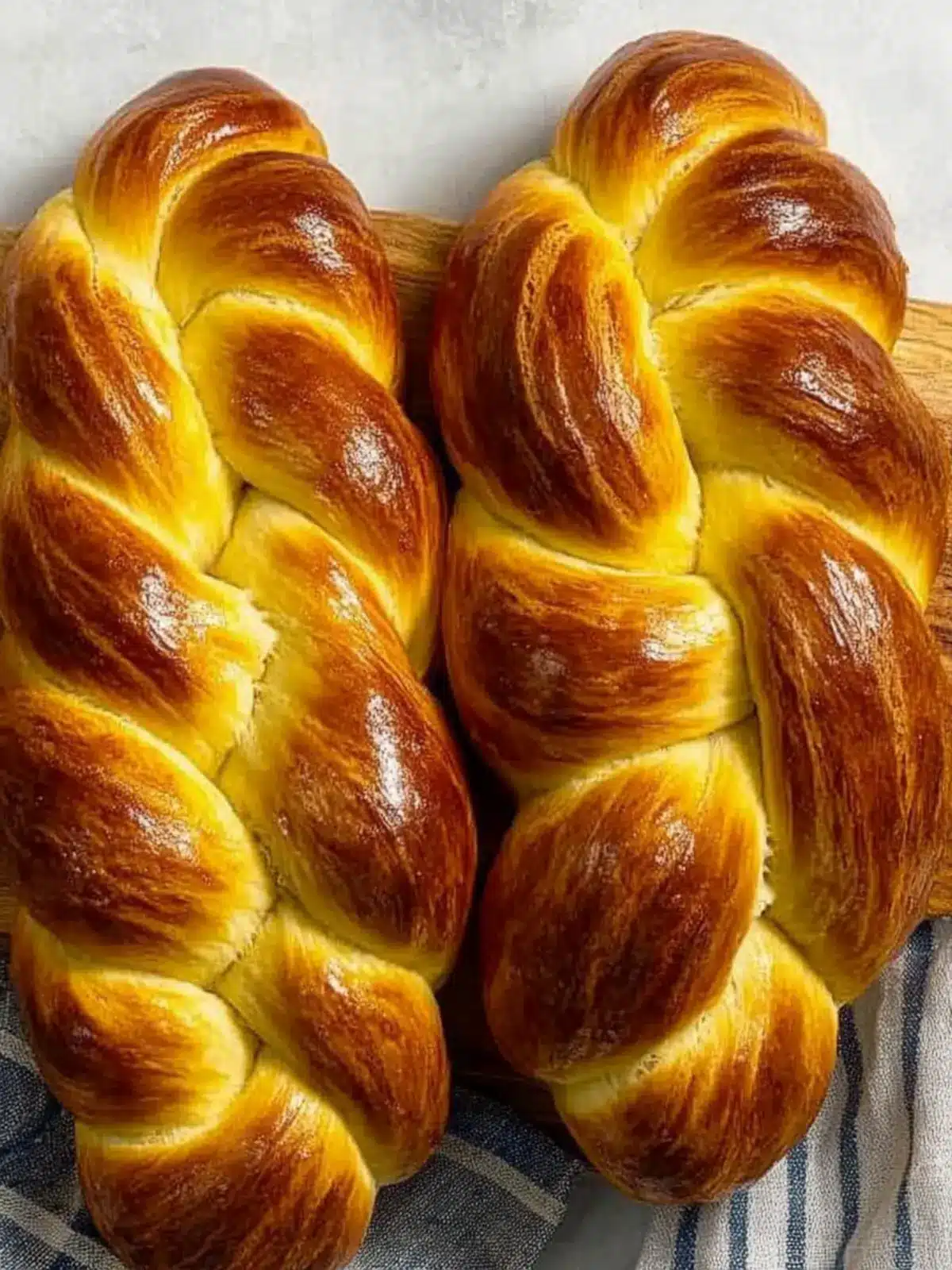
Bake: Place the braided challah in the oven and bake for 30-40 minutes, until golden brown. You ll know it s done when the crust is deep golden and sounds hollow when tapped. Cool on a wire rack.
Optional: Serve slices with butter or use it to create delicious French toast!
Exact quantities are listed in the recipe card below.
What to Serve with Challah Bread?
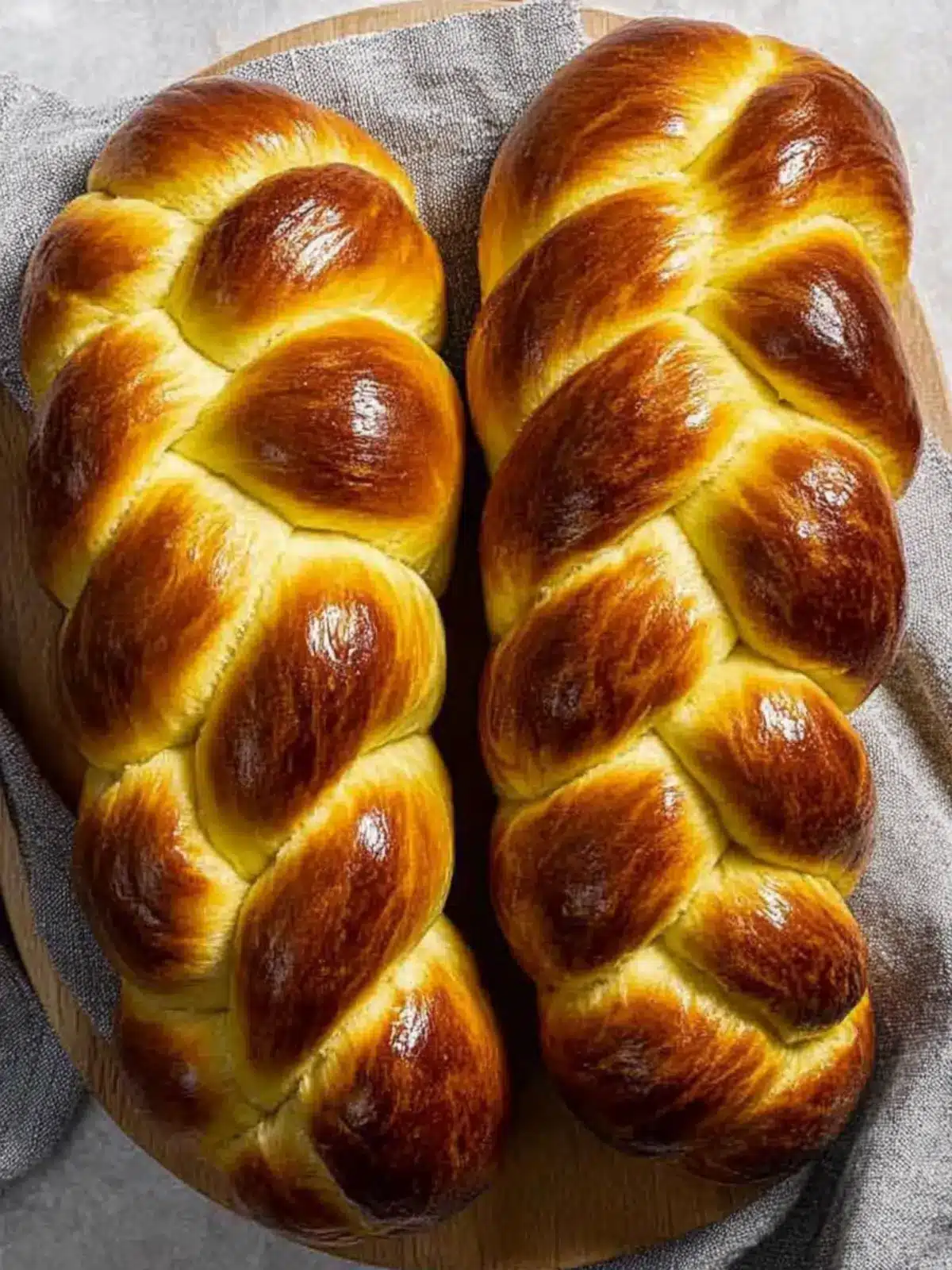
As you enjoy the warm, inviting aroma of freshly baked challah, imagine the delightful complements that can complete your meal.
Creamy Butter: The soft, pillowy texture of challah pairs beautifully with rich, creamy butter, enhancing each bite with indulgent flavor. A pat of butter melts into the warm bread, creating a comforting experience.
Honey or Jam: Drizzling honey or spreading your favorite jam on challah adds a sweet note that contrasts wonderfully with the bread’s subtle richness. This delightful combination is perfect for breakfast or brunch!
Hearty Soup: A bowl of hearty vegetable or chicken soup creates a cozy meal, with the challah serving as the perfect vessel for soaking up delicious broth. The flavors meld beautifully, making each spoonful irresistible.
Fresh Salads: A crisp, refreshing salad with bright flavors can balance the richness of challah. Toppings like feta or avocado add a delightful creaminess, making it a lovely accompaniment.
Braised Meats: Serve challah alongside tender, braised meats like pot roast or beef stew. The bread effortlessly absorbs the savory juices, transforming every bite into a comforting experience.
Cheese Platter: An assortment of cheeses, from sharp cheddar to creamy brie, pairs exquisitely with challah. The bread’s warmth and softness make it a delightful addition to any cheese board, inviting bold flavors to come together.
Fruit Compote or Chutney: A vibrant fruit compote or zesty chutney offers a burst of flavor that complements the subtle sweetness of challah. Sweet and tangy, it elevates your meal with a delightful contrast.
Sweet Coffee or Tea: Finally, a warm cup of coffee or tea brings everything together, enhancing the experience of enjoying your challah at any time of day. A sip of cozy comfort can be the perfect finishing touch!
Tips for the Best Challah
Proper Yeast Activation: Make sure your water is between 110° to 115°F. Too hot can kill the yeast, while too cool won’t activate it properly, leading to a dense loaf.
Knead Thoroughly: Kneading the dough for 6-8 minutes is essential for developing gluten, giving your challah the perfect texture. Don t rush this step!
Correct Dough Consistency: The dough should be soft, slightly tacky, and elastic. If it’s too dry, add a tablespoon of water; if too wet, gradually incorporate more flour.
Don t Skip the Rises: Allowing the dough to rise until it’s doubled in size is crucial for achieving a light and fluffy challah. Be patient; the results are worth it!
Egg Wash Technique: For a glossy finish, brush the egg and cold water mixture gently but completely over the braid before baking. This will create that beautiful golden crust.
Enjoy the process, and let the warmth of homemade challah fill your home!
How to Store and Freeze Challah
Room Temperature: Store leftover challah in an airtight container or wrapped in plastic wrap for up to 3 days to maintain freshness.
Fridge: If you live in a warm climate, you can refrigerate challah for up to 1 week. Make sure it’s well-wrapped to prevent it from drying out.
Freezer: To freeze challah, wrap it tightly in aluminum foil or plastic wrap, then place it in a freezer-safe bag. It can stay fresh for up to 3 months.
Reheating: When ready to enjoy, thaw at room temperature, then warm in the oven at 350°F for 1015 minutes to revive that fresh-baked taste.
Challah Variations & Substitutions
Feel free to personalize this delightful challah recipe with these fun and simple twists!
Whole Wheat: Swap half or all of the all-purpose flour for whole wheat flour for added nutrition and a nuttier flavor.
Honey Sweetener: Replace sugar with honey for a natural sweetness that pairs beautifully with the bread s richness.
Dairy-Free: Use a neutral oil, such as grapeseed or avocado oil, instead of canola oil, to create a vegan challah.
Herbs & Spices: Add in dried herbs like rosemary or garlic powder to the dough for a savory twist that can accompany your meals beautifully.
Cinnamon Raisin: Fold in cinnamon and raisins or dried fruit before shaping to give your challah an irresistible sweet and spiced flair.
Cheese Lover’s Delight: Incorporate grated cheese (like mozzarella or cheddar) into the dough for an indulgent, savory version that s perfect for sandwiches.
Cocoa Swirl: For a sweet treat, add cocoa powder to half of your dough, then swirl it with the original dough for a stunning chocolate challah.
Chili Twist: Mix in finely chopped jalapeños or a pinch of red pepper flakes to add some heat to your dough for a delightful kick!
Let your imagination run wild as you create variations of this classic bread that your loved ones will cherish!
Make Ahead Options
These challah bread braids are perfect for busy home cooks looking to simplify their meal prep! You can prepare the dough up to 24 hours in advance by completing steps one through four (including the first rise). After shaping the braids, cover them with plastic wrap and refrigerate. When you’re ready to bake, remove the dough from the fridge, let it sit at room temperature for about 30 minutes to rise again before proceeding with steps seven and eight. This ensures your homemade challah will be just as delightful, maintaining its soft texture and beautiful rise. Enjoy the blend of convenience and comfort, knowing that your family will savor warm, freshly baked bread with minimal effort!
Challah Recipe FAQs
How do I know if my yeast is fresh?
Absolutely! To test the freshness of your active dry yeast, dissolve it in warm water (110° to 115°F) with a pinch of sugar. After about 5-10 minutes, it should become frothy. If there s no froth, it s best to get a new packet!
How should I store leftover challah?
You can store leftover challah in an airtight container or tightly wrapped in plastic wrap at room temperature for up to 3 days. If you live in a warm climate, refrigerating it can extend its life to about one week, but be sure to wrap it well to avoid any drying out.
Can I freeze challah, and how?
Absolutely! To freeze your delicious challah, first let it cool completely. Then, wrap it tightly in aluminum foil or plastic wrap, and place it in a freezer-safe bag. It can be stored in the freezer for up to 3 months. When you’re ready to enjoy it, simply thaw at room temperature for a few hours and then warm it in the oven at 350°F for 10-15 minutes to restore its fresh-baked taste.
What should I do if my dough isn’t rising?
Very! If your dough isn t rising properly, it could be due to a few factors. First, check the temperature your yeast needs a warm environment (around 80°F works well). If your kitchen is too cold, you can create a makeshift proofing area by turning on the oven for a minute or two, then turning it off and placing the dough inside. Also, ensure your yeast is fresh. If it s been inactive in the test, no amount of warmth will help!
Are there any dietary considerations I should keep in mind?
Yes! This challah recipe contains eggs and gluten, which may not be suitable for those with allergies. If you’re baking for someone with dietary restrictions, you might want to explore gluten-free flour alternatives. Just keep in mind that gluten-free dough behaves differently, so you may need to follow specific recipes designed for gluten-free challah.
How can I improve the texture of my challah?
If you’re looking to elevate the texture of your challah even further, consider adding a little extra egg yolk to the dough. This will enrich the flavor and result in a softer, more tender crumb. Also, be sure to knead the dough adequately to develop gluten, which is key to achieving that pillowy soft interior. Letting it rise long enough is equally important for that light and airy texture.
Challah Recipe FAQs