Delicious Chinese Sweet and Sour “Pork” You’ll Crave Daily
Last Updated on May 8, 2026 by enricorecipez
There’s a certain joy that comes with transforming humble ingredients into something extraordinary, and this Chinese Sweet and Sour âPork recipe does just that. With a sweet and tangy sauce that dances on your taste buds, I discovered this delightful gem after a long week of takeout fatigue. The moment I took my first bite, I knew I had struck gold in the kitchen.
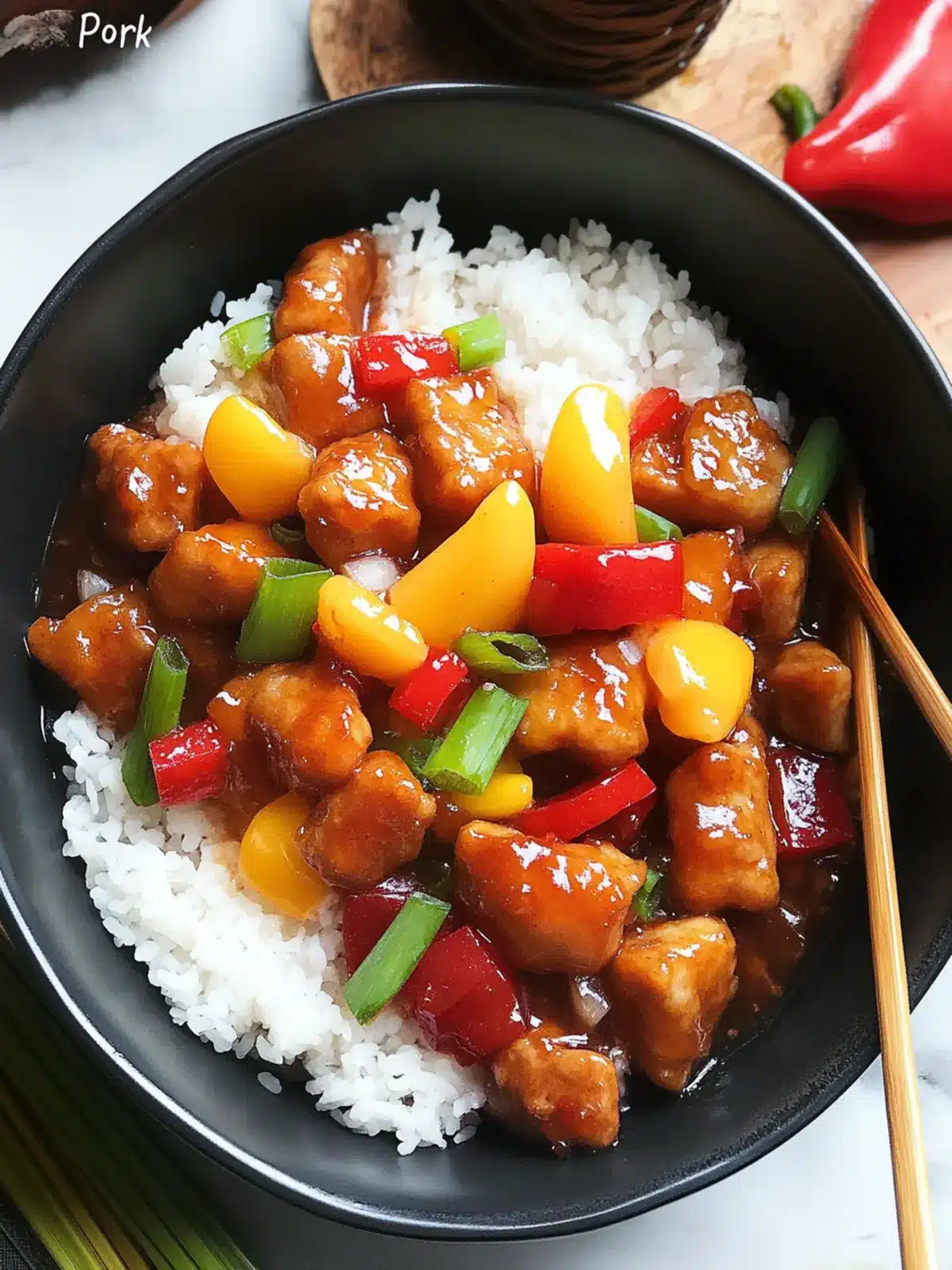
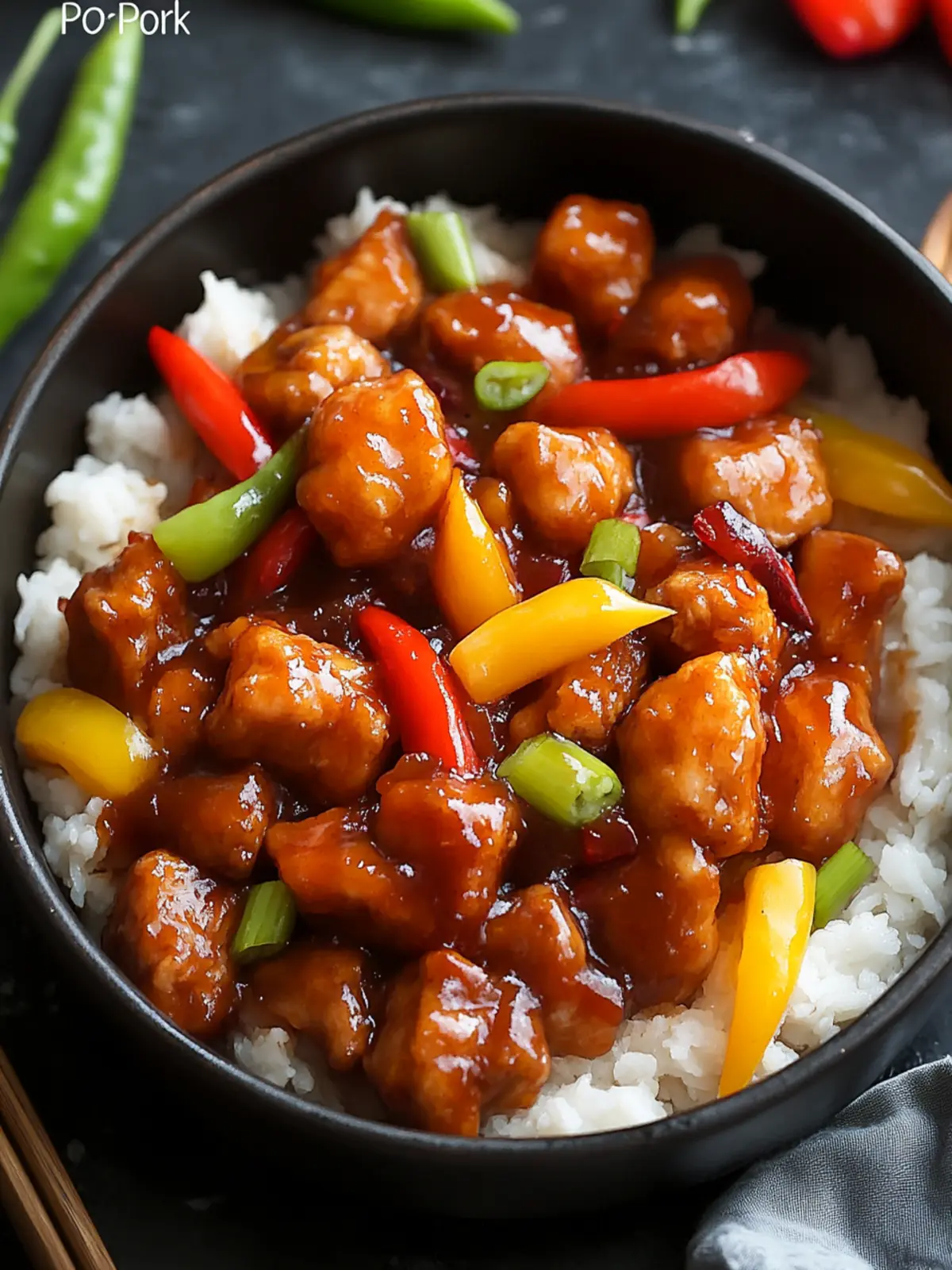
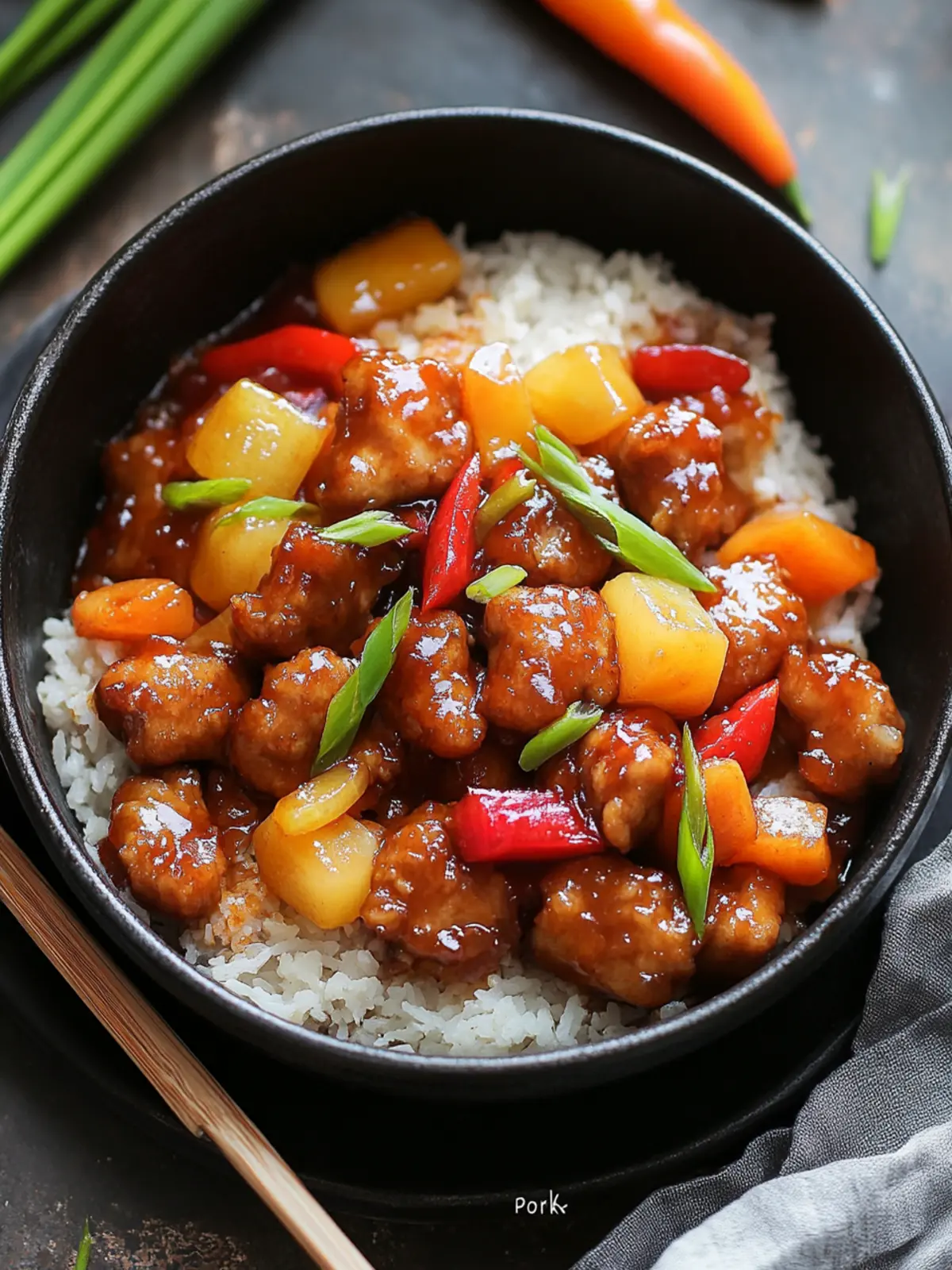
Picture this: the crispy texture of soy chunks catching the vibrant hues from fresh veggies and tender pineapple pieces, all wrapped in that glossy, tangy sauce. It s the kind of dish that beckons you home after a tiring day, promising a comforting experience that s both satisfying and wholesome.
Whether you’re looking to shake off the fast-food routine or impress friends at your next dinner party, this recipe is your ticket to a delicious culinary adventure that embraces all the flavors of a classic Chinese takeout without the drive-thru hassle! Let’s dive into this mouthwatering journey that s incredibly easy to make and sure to become a family favorite.
Why will you love this Chinese Sweet and Sour âPork?
Irresistible flavor: The sweet and tangy sauce perfectly balances the crispy soy chunks and fresh veggies, creating a deliciously memorable dish.
Quick cooking time: In just 45 minutes, you can whip up a vibrant meal that feels gourmet without the fuss.
Versatile ingredients: Easily swap in your favorite vegetables or adjust the sauce to suit your palate this recipe is all about customization!
Crowd-pleaser: Impress friends and family alike with a homemade dish that tastes just like your favorite takeout, but with a personal touch.
Healthy alternative: Made with soy chunks and fresh produce, it s a satisfying yet nutritious meal that s a blend of enjoyment and wellness.
So why not elevate your home cooking game and skip the drive-thru? Dive into this scrumptious adventure!
Chinese Sweet and Sour “Pork” Ingredients
For the Soy Mixture
Dry soy chunks These serve as the perfect protein substitute to create the “pork” texture.
Garlic powder or minced garlic Adds a robust depth of flavor to the soy chunks.
Soy sauce Enhances the umami notes, making it feel more like traditional pork.
For the Sweet and Sour Sauce
Sugar This balances the vinegar s acidity, creating that signature sweet flavor.
Distilled white vinegar or apple cider vinegar It lends the dish its tanginess, crucial for that classic sweet and sour taste.
Pineapple juice Adds a fruity sweetness that beautifully complements the sauce.
Tomato ketchup Contributes sweetness and depth, integrating seamlessly into the sauce.
Cornstarch Used to thicken the sauce for a luscious, coating texture.
Dash ground pepper Provides a subtle kick to balance the sweetness.
Room temp. water Helps to dissolve the cornstarch and create an even sauce consistency.
For Frying
Neutral oil A must for frying, it allows the soy chunks to achieve that crispy exterior without overwhelming flavors.
Cornstarch (additional) Coats the soy chunks to give them a delightful crunch when fried.
For the Vegetables
Onion Adds a fragrant, sweet base when sautéed, enriching the overall flavor.
Minced ginger Offers a zesty freshness that brightens the dish.
Minced garlic A flavor powerhouse that amps up the overall savoriness.
Red bell pepper Provides a pop of color and sweetness.
Green bell pepper Adds slight bitterness to balance the flavors.
Pineapple chunks These bring a juicy sweetness, enhancing the sweet and sour profile.
This Chinese Sweet and Sour âPork is not only easy to make but also filled with flavors that everyone will adore!
How to Make Chinese Sweet and Sour “Pork”
Rehydrate: Soak the dry soy chunks in room temperature water overnight or hot water for 20-25 minutes. They should double in size; squeeze out any excess water afterward.
Marinate: Combine the rehydrated soy chunks with soy sauce and garlic. Mix well and let them marinate for 10 minutes to absorb the flavors.
Prepare Sauce: In a bowl, whisk together sugar, vinegar, pineapple juice, ketchup, cornstarch, and a dash of ground pepper until fully combined. Set aside; this will be your delicious sweet and sour sauce.
Heat Oil: Place a large pan or wok over high heat. Pour in enough neutral oil to submerge half of the soy chunks when frying.
Coat Chunks: In a separate bowl, toss the marinated soy chunks with 6 tablespoons of cornstarch, making sure each piece is well-coated for that perfect crunch.
Test Oil: Check if the oil is hot enough by tossing in a small piece of coated “pork.” If it bubbles immediately, you re ready to fry!
Fry Soy Chunks: Carefully add the coated soy chunks to the hot oil, avoiding overcrowding. Fry for about 6-7 minutes or until golden brown, flipping occasionally for even cooking.
Drain Oil: Remove the fried “pork” from the oil and place it on a strainer or paper towels to drain excess oil. Leave uncovered to maintain crispiness.
Sauté Veggies: In the same pan, sauté diced onion, garlic, and ginger over high heat for 1-2 minutes, until the onions are cooked through. Toss in the bell peppers and cook for another 2 minutes until tender.
Add Pineapple: Stir in the pineapple chunks and allow them to cook for about 1 minute for a juicy burst of flavor.
Combine Sauce: Reduce heat to medium, mix the sweet and sour sauce again, and pour it into the skillet. Let the sauce boil for 2-3 minutes, stirring until it thickens up nicely.
Mix Together: Add the fried “pork” pieces to the pan and mix quickly to coat them evenly with the sauce. Serve immediately alongside steamed rice for a comforting meal.
Optional: Garnish with sliced green onions for an extra burst of flavor and color.
Exact quantities are listed in the recipe card below.
Expert Tips for Chinese Sweet and Sour âPork
Perfectly Crispy Coating: Double-coat the soy chunks: After tossing them in cornstarch, let them sit for a few minutes before frying for a crunchier texture.
Temperature Matters: Maintain high oil heat when frying; this helps achieve that delightful golden-brown exterior and prevents the soy chunks from absorbing too much oil.
Sauce Consistency: Mix the sweet and sour sauce thoroughly before adding it to the pan; ensuring the cornstarch is fully dissolved will give you the perfect thickness.
Don t Overcrowd: Fry the soy chunks in batches; overcrowding the pan lowers the oil temperature, leading to soggy chunks instead of crispy ones.
Versatile Veggies: Feel free to swap or add vegetables based on your preference carrots or snap peas can add a nice crunch and flavor to this dish.
This Chinese Sweet and Sour âPork is easy to master with these helpful tips!
How to Store and Freeze Chinese Sweet and Sour âPork
Fridge: Store leftover Chinese Sweet and Sour âPork in an airtight container for up to 3 days. Reheat on the stovetop or microwave until warmed through.
Freezer: Freeze portions in freezer-safe bags for up to 3 months. To reheat, thaw overnight in the fridge and warm on the stove or microwave for a quick meal.
Reheating: For best results, reheat in a skillet over medium heat, adding a splash of water or broth to recreate the sauce s glossy consistency.
Avoid Sogginess: If possible, store the crispy soy chunks separately from the sauce to maintain their texture. Mix them together just before serving.
Make Ahead Options
These Chinese Sweet and Sour “Pork” are perfect for meal prep enthusiasts! You can rehydrate the soy chunks and marinate them up to 24 hours in advance for a flavorful boost. Simply soak the soy chunks in room temperature water overnight, and mix with soy sauce and garlic. You can also prepare the sweet and sour sauce ahead of time; just mix all the ingredients and refrigerate for up to 3 days. When ready to enjoy, fry the coated soy chunks and sauté the veggies as directed, ensuring that everything stays fresh and vibrant. This way, you’ll cut down on prep time and have a delicious homemade meal ready to impress without the last-minute rush!
What to Serve with Chinese Sweet and Sour “Pork”?
Enhance your dining experience with delightful accompaniments that round out this scrumptious dish.
Steamed Jasmine Rice: The fluffy, fragrant grains absorb the tangy sauce perfectly, creating a harmonious balance in every bite. Pairing rice with this dish offers a fulfilling foundation that complements its vibrant flavors.
Vegetable Spring Rolls: Crispy, golden rolls filled with crunchy vegetables make a crunchy counterpoint to the soft soy chunks. These delightful bites are perfect for dipping and create a lovely appetizer combo!
Stir-Fried Bok Choy: The tender, crunchy greens lightly sautéed with garlic add a fresh note and a burst of color to the meal. This simple side is also a nutritious way to incorporate leafy greens into your feast.
Cucumber Salad: A refreshing mix of sliced cucumbers tossed with rice vinegar and a pinch of sugar provides a crisp contrast to the sweet and sour flavors of the main dish. It s like a palate cleanser that rounds out your meal beautifully.
Sesame Noodles: Silky pasta drizzled with a savory sesame sauce enhances your dining experience while incorporating comforting Asian flavors. Their nuttiness and slight chewiness harmonize beautifully with the dish s crisp textures.
Chili Garlic Edamame: These protein-packed bites seasoned with garlic and chili offer some delightful heat and heartiness. They serve as a perfect nibble while enjoying the main course.
Lychee Martini: For a fun refreshment, this fruity cocktail will tantalize your taste buds. The sweetness of lychee pairs wonderfully with the dish, creating a refreshing fusion.
Lemon Sorbet: End your meal on a light note with a scoop of lemon sorbet. Its tartness contrasts nicely with the richness of the sweet and sour sauce, cleansing the palate and finishing your meal superbly.
Chinese Sweet and Sour “Pork” Variations
Feel free to get creative with this dish and customize it to your heart’s content!
Gluten-Free: Swap soy sauce with tamari for a gluten-free alternative, ensuring everyone can enjoy this dish.
Spicy Twist: Add a teaspoon of sriracha or chili flakes to the sweet and sour sauce for a delightful spicy kick that elevates the flavor.
Vegetable Medley: Toss in snap peas, carrots, or mushrooms alongside the bell peppers for added texture and vibrant colors, enhancing both the taste and presentation.
Pineapple Substitute: Use diced mango or even peach for a fruity variation that brings a unique sweetness to the dish.
Smoky Flavor: Incorporate a dash of liquid smoke in the marinade for a deeper, smoky taste that complements the sweet and sour notes beautifully.
Creamy Addition: Stir in a tablespoon of coconut cream when preparing the sauce for a rich, tropical twist that harmonizes wonderfully with the pineapple.
Herb Infusion: Fresh basil or cilantro can be chopped and sprinkled on top before serving, bringing a fresh pop of flavor to every bite.
Vegan Option: For an extra protein boost, try adding chickpeas or tofu in place of soy chunks, making this dish not only plant-based but also hearty.
Let your imagination run wild, and tailor this Chinese Sweet and Sour “Pork” to fit your style and preferences!
Chinese Sweet and Sour “Pork” Recipe FAQs
How do I choose the right soy chunks?
When selecting soy chunks, look for ones that are lightweight and have a good texture. You want them to feel slightly dry to the touch and be free from excess dark spots or moisture. I personally love brands that feature minimal processing; these usually retain a great texture when rehydrated.
How should I store leftovers of Chinese Sweet and Sour âPork?
Store any leftovers in an airtight container in the fridge for up to 3 days. Reheat gently on the stovetop or microwave; the stovetop brings back that delightful sauciness better. Just be sure to add a little water if needed to maintain the texture of the sauce.
Can I freeze Chinese Sweet and Sour âPork?
Absolutely! To freeze, place cooled portions into freezer-safe bags or containers and keep them for up to 3 months. For reheating, it’s best to thaw overnight in the fridge first. When you’re ready, warm it in a skillet over medium heat, adding a splash of water to revive the sauce consistency.
What if my sauce isn t thickening properly?
If your sauce isn t thickening, it s likely that the cornstarch wasn’t fully dissolved initially. No worries! You can mix a little more cornstarch with cold water to create a slurry and whisk it into your sauce while it s boiling. This should help thicken it up nicely within a minute or so.
Are there any allergy considerations with this recipe?
This Chinese Sweet and Sour âPork contains common allergens like soy and garlic. For those allergic to soy, you can use jackfruit or a vegetable mix as a substitute. Always check the labels for hidden allergens, especially if serving to guests or family with dietary restrictions.
How can I make this dish more nutritious?
Feel free to incorporate more vegetables into your dish! Carrots, snow peas, or broccoli can provide additional vitamins and crunch. You might also consider using less sugar in the sauce to cut down on sweetness, adjusting to your taste while keeping those flavors in balance.