
Chinese Steamed Fish: A Quick and Flavorful Home Delight
Last Updated on May 8, 2026 by enricorecipez
The first time I tasted authentic Chinese steamed fish, I was instantly captivated. The delicate flakiness of the fish, infused with the vibrant notes of ginger and the umami richness of soy sauce, created an explosion of flavor that danced on my palate. Since then, it’s become my go-to dish when I want to impress dinner guests or simply indulge in something refreshingly wholesome after a long day.
This easy recipe for Chinese Steamed Fish uses basic ingredients but elevates them into a culinary delight that s both satisfying and healthy. In just 18 minutes, you can serve up a tender, aromatic centerpiece that looks as beautiful as it tastes. Plus, its versatility allows you to swap in any white fish you have on hand, making it perfect for those busy weeknights or spontaneous gatherings. Join me in bringing this delightful dish to your dining table; it might just transform your perspective on home-cooked meals!
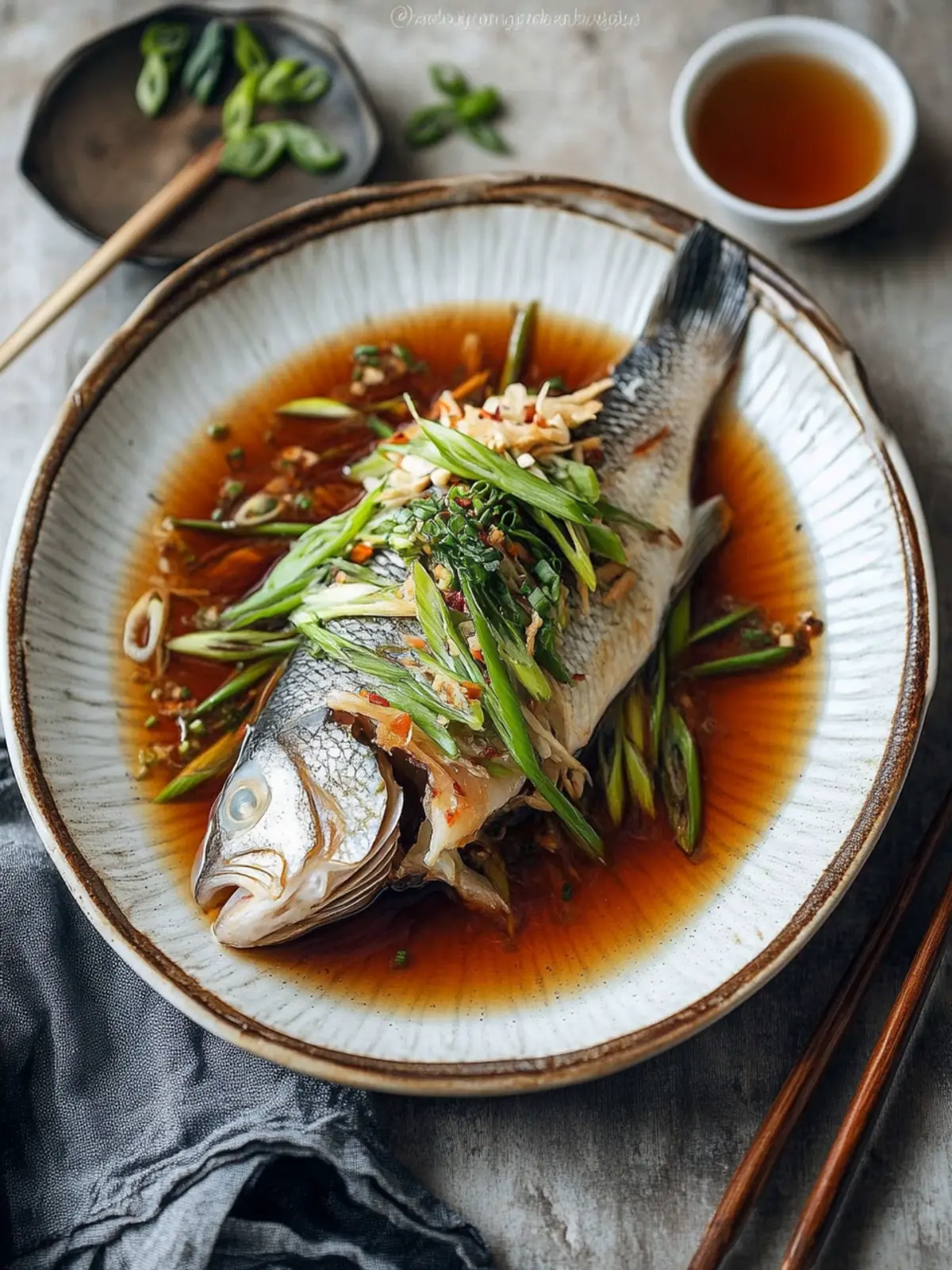
Why is Chinese Steamed Fish a Must-Try?
Quick preparation: This dish takes just 18 minutes from start to finish, making it an ideal choice for busy evenings.
Flavorsome delight: Infused with aromatic ginger and savory soy sauce, it offers an explosion of taste that satisfies every craving.
Healthy choice: Packed with lean protein and low in calories, it s a guilt-free indulgence that feels luxurious.
Versatile ingredient: Feel free to use any white fish on hand, keeping your meals exciting and adaptable to what you have left in the fridge.
Crowd-pleaser: The beautiful presentation and tantalizing aroma make it perfect for impressing guests or enjoying a simple weeknight dinner.
Discover how to prepare this fantastic dish by checking out my handy tips on meal prepping with fish for even easier cooking!
Chinese Steamed Fish Ingredients
Prepare to dive into the rich flavors of this delightful dish!
For the Fish
- 1 small head-on sea bass You can also substitute with tilapia, flounder, or other white fish for versatility.
For the Aromatics
- 1 1/2 pieces ginger Fresh ginger adds a warm, spicy note; remember to slice for infusing flavor.
- 3 green onions Their mild onion flavor complements the fish beautifully, creating freshness.
For the Marinade
- 2 tablespoons Shaoxing wine This adds depth and enhances the natural flavors of the fish.
- 1 1/2 tablespoons peanut oil This oil gives a light nuttiness; feel free to use vegetable oil if preferred.
For the Spice
- 2 dried Chinese chili peppers Add these for a subtle kick, adjusting the amount according to your spice tolerance.
- 1/8 teaspoon ground Sichuan peppercorn Optional but recommended for its unique, mouth-numbing flavor that elevates the dish.
For the Sauce
- 2 tablespoons seasoned soy sauce for seafood This brings out umami in the dish; or use a regular blend plus sugar and chicken bouillon for a similar effect.
Experience the joy of cooking with this Chinese Steamed Fish recipe and bring a splash of comfort to your table!
How to Make Chinese Steamed Fish
Check the Fish: Begin by ensuring your fish is fully scaled; run your fingers from the tail to the head. Use kitchen shears to remove any scales if necessary. Rinse the fish under cold water and pat dry with paper towels. Score the fish with 3 to 4 cuts, about 1″ (2.5 cm) apart.
Prepare the Plate: Place a quarter of the green onions on a large plate that can accommodate the fish without it touching the bottom. This will help prevent sticking during the steaming process.
Stuff the Fish: Fill the cavity of the fish with ginger slices and a quarter of the green onions. Don’t forget to also tuck some of the ginger and green onions into the scored parts of the fish. Drizzle the Shaoxing wine over the top and sprinkle with a pinch of salt. Cover the fish with another quarter of the green onions, and allow it to marinate for 10 minutes at room temperature or up to half a day in the fridge.
Steam the Fish: Fill a deep skillet (or steamer or wok) with about 1″ (2.5 cm) of water and place a steaming rack in the center. Arrange the plate with the fish on top of the rack, cover, and bring the water to a boil over high heat. Once the steam is visible, cook the fish, covered, for 5 to 8 minutes, until it flakes easily with a fork. Turn off the heat immediately.
Remove Aromatics: Carefully lift the plate of fish off the steaming setup and place it on your counter. Using chopsticks, gently remove and discard the ginger and green onions from the top of the fish.
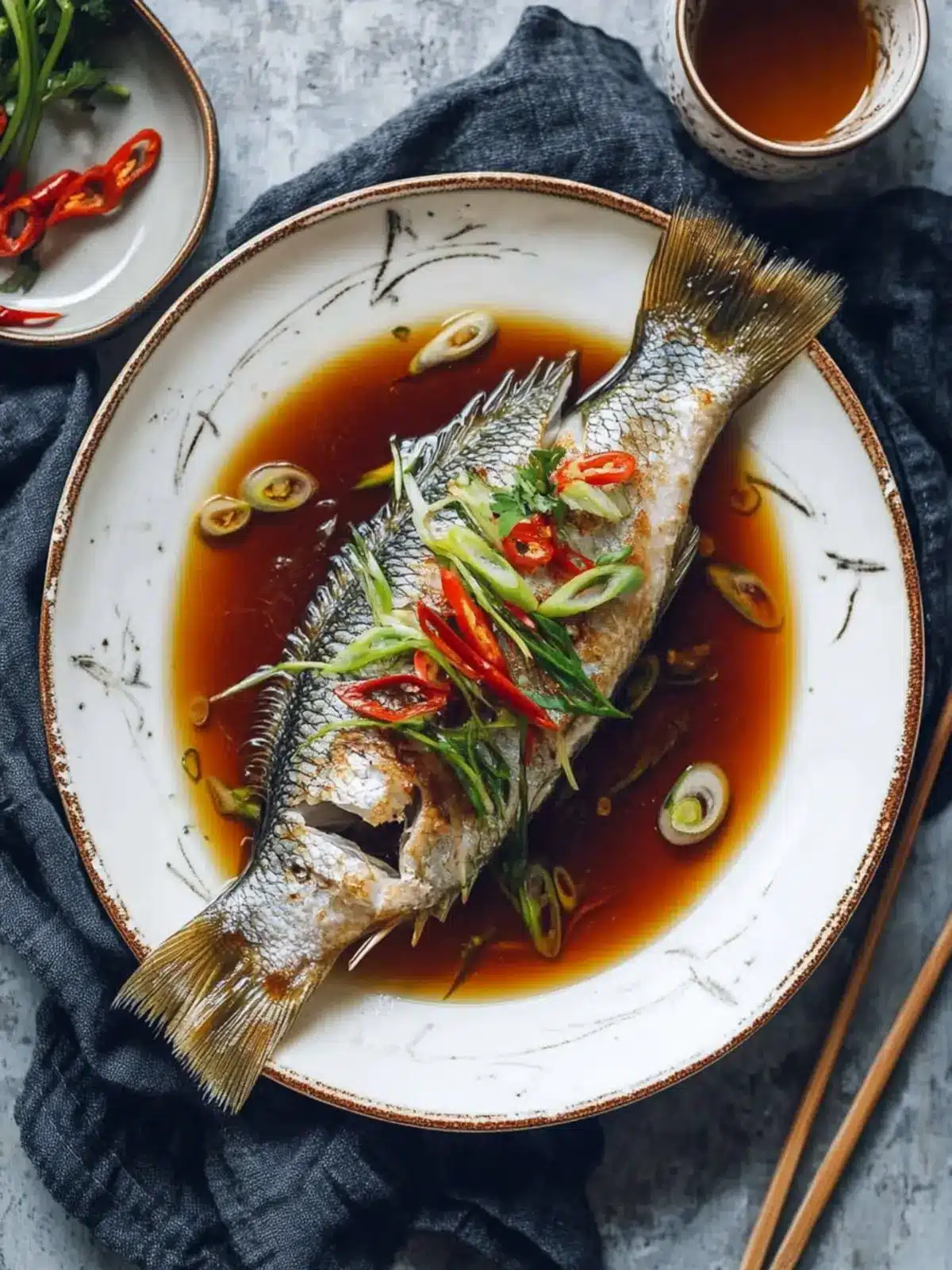
Garnish: Scatter the remaining julienned ginger strips and green onions over the top of the cooked fish, ensuring they add freshness. Have your seasoned soy sauce ready to pour next to the fish.
Prepare the Hot Oil: In a small skillet or saucepan, warm the peanut oil over medium-high heat. When it s hot, break the dried chili peppers into a few pieces and add them along with the ground Sichuan peppercorns. Fry until fragrant and sizzling, about 30 seconds. Carefully drizzle the hot oil over the fish, enjoying the satisfying sound. Immediately follow with a pour of the seasoned soy sauce.
Serve: Present the dish right away, inviting everyone to dip pieces of the fish into the flavorful sauce as they enjoy it!
Optional: Try adding a sprinkle of sesame seeds for an extra touch!
Exact quantities are listed in the recipe card below.
Expert Tips for Chinese Steamed Fish
Choose Fresh Fish: Always opt for the freshest fish you can find; check for a clean smell and clear eyes. This will enhance the flavor of your Chinese steamed fish.
Marination Time: Allowing the fish to marinate for at least 10 minutes elevates the flavors. For best results, marinate longer, up to half a day, in the fridge.
Check for Doneness: Use a fork to test for flakiness after steaming. If it doesn t flake easily, it needs a minute more; be careful not to overcook.
Steaming Setup: Ensure your steaming rack is high enough so the fish doesn t touch the water. This will keep it tender and prevent it from becoming soggy.
Sizzling Effect: Always heat the oil until it s hot before drizzling it over the fish; this sizzling action wakes up the flavors and adds a wonderful aroma.
Control the Spice: Adjust the number of chili peppers and Sichuan peppercorns to your spice tolerance. Start with less if you’re unsure and gradually increase.
Make Ahead Options
These Chinese Steamed Fish are perfect for busy home cooks looking to save time! You can marinate the fish up to 24 hours in advance, which allows the flavors to fully develop. Simply prepare the fish as directed, stuffing it with ginger and green onions, then cover and refrigerate. The next day, when ready to serve, steam the fish for 5 to 8 minutes until flaky and tender. To maintain quality, ensure the fish is tightly covered to prevent drying. Finally, prepare the hot oil and soy sauce just before serving for that sizzling, mouthwatering finish. Enjoy a deliciously effortless meal that feels special with minimal fuss!
Chinese Steamed Fish Variations
Feel free to play around with this recipe, making it uniquely yours with a few simple twists!
- Dairy-Free: Substitute peanut oil with olive or avocado oil for a healthier choice suited for dairy-free diets.
- Spicy: Add 1 to 2 more dried chili peppers or a splash of chili oil for those craving an extra kick! A little heat goes a long way in elevating the dish.
- Herb-Infused: Toss in fresh herbs like cilantro or Thai basil before steaming for an aromatic twist. This aromatic enhancement harmonizes beautifully with the fish.
- Vegetable Boost: Include thinly sliced carrots or bell peppers in the steaming setup for added color and nutrition. The steam will soften the veggies, blending their flavors deliciously with the fish.
- Citrusy Twist: Drizzle a bit of fresh lime or lemon juice over the fish before serving for a refreshing zing. This added brightness balances the richness of the soy sauce perfectly.
- Low-Sodium Alternative: Opt for low-sodium soy sauce instead of seasoned soy sauce to reduce sodium intake without sacrificing flavor. You can still enjoy the depth of flavor!
- Noodle Side Dish: Serve over steamed rice noodles or with a side of jasmine rice for a heartier meal. The delicate fish flavor pairs exquisitely with the noodles soaked in the savory sauce.
- Sweet Soy Sauce: Use a sweet soy sauce, like kecap manis, instead of regular soy sauce for a touch of sweetness that complements the dish delightfully. This adds an interesting depth that will surprise your taste buds!
How to Store and Freeze Chinese Steamed Fish
Fridge: Keep leftover Chinese steamed fish in an airtight container for up to 3 days. For best flavor, consume it within the first day or two.
Freezer: If you wish to freeze, wrap the cooled fish tightly in plastic wrap, followed by aluminum foil, for up to 2 months. Thaw in the fridge before reheating.
Reheating: Gently reheat the fish in the microwave covered with a damp paper towel to maintain moisture, or re-steam it over boiling water for about 5 minutes.
What to Serve with Chinese Steamed Fish?
Elevate your dining experience with a variety of delightful dishes that complement the delicate flavors of steamed fish.
Fragrant Jasmine Rice: This aromatic rice absorbs the delicious soy sauce, balancing the flavors while adding a comforting element to your meal.
Stir-Fried Bok Choy: A quick stir-fry with garlic enhances the natural sweetness of bok choy, adding crunch and freshness to your plate.
Asian Cucumber Salad: The cool and crunchy cucumbers tossed in sesame oil provide a refreshing counterpoint to the warm fish, making each bite exhilarating.
Miso Soup: This savory broth offers warmth and umami, soothing your palate and creating a perfect harmony with the fish s flavors.
Chilled Soba Noodles: These chilled noodles served with a light soy dipping sauce add an interesting texture while enhancing the overall meal dimension.
Lychee or Mango Sorbet: For dessert, finish off with a light and fruity sorbet that cleanses the palate and complements the dish’s umami richness beautifully.
Green Tea: A warm cup of green tea ties together the meal with a gentle, earthy note, promoting relaxation and balancing the flavors.
Chinese Steamed Fish Recipe FAQs
How do I select the best fish for steaming?
Absolutely! Look for fresh, whole fish with clear eyes and a clean ocean smell. If using fillets, ensure they are firm and free from any dark spots. Freshness is key, as it enhances the overall flavor of your Chinese steamed fish.
How should I store leftover Chinese steamed fish?
For optimal freshness, transfer any leftover Chinese steamed fish to an airtight container and refrigerate. It will keep well for up to 3 days. However, for the best taste, I recommend consuming it within the first 1 to 2 days.
Can I freeze Chinese steamed fish?
Yes, you can! To freeze, first allow the fish to cool completely. Wrap it tightly in plastic wrap, followed by a layer of aluminum foil. This will prevent freezer burn. It can be stored in the freezer for up to 2 months. When you’re ready to enjoy it, simply thaw in the fridge overnight before reheating.
What should I do if the fish is overcooked?
If you find your fish is overcooked and drier than you’d like, don t worry! Consider serving it with an extra drizzle of seasoned soy sauce or a touch of olive oil to add moisture back into the fish. You can also try serving it with a tangy dipping sauce to enhance the flavor.
Are there any dietary considerations when making this dish?
Indeed! If you’re serving this dish to anyone with food allergies, ensure that they are not allergic to seafood or any of the ingredients used. The soy sauce contains wheat, so if you’re managing a gluten allergy, opt for a gluten-free soy sauce. This dish is also suitable for most diets but always check ingredient labels if considering seasonings.
Can I use frozen fish for this recipe?
Very much! If you’re using frozen fish fillets, make sure to thaw them in the refrigerator overnight prior to cooking. Avoid using the microwave as it might create uneven thawing, which could lead to inconsistent cooking. Once thawed, you can follow the recipe as usual!