Savory Gochujang Eggplant: A Quick Flavor Explosion!
Last Updated on May 8, 2026 by enricorecipez
As I rummaged through my pantry the other day, searching for inspiration to break my weeknight dinner rut, a jar of gochujang caught my eye. The vibrant, spicy-sweet chili paste promised bold flavors, and suddenly, my mind raced with possibilities. That s when I decided to whip up a dish featuring creamy eggplant, perfectly juicy and eager to soak up all that deliciousness.
Gochujang Eggplant is a colorful feast for the senses that comes together in under 30 minutes, making it the ideal solution for busy weeknights. This quick recipe marries the satisfying texture of sautéed eggplant with the umami kick of gochujang, creating a dish that’s not only gluten-free but also wonderfully versatile. Whether you’re looking to impress guests or satisfy a craving, this dish offers a delightful balance of flavors that will keep you coming back for more. Ready to elevate your home cooking? Let s dive into this vibrant Korean delight!
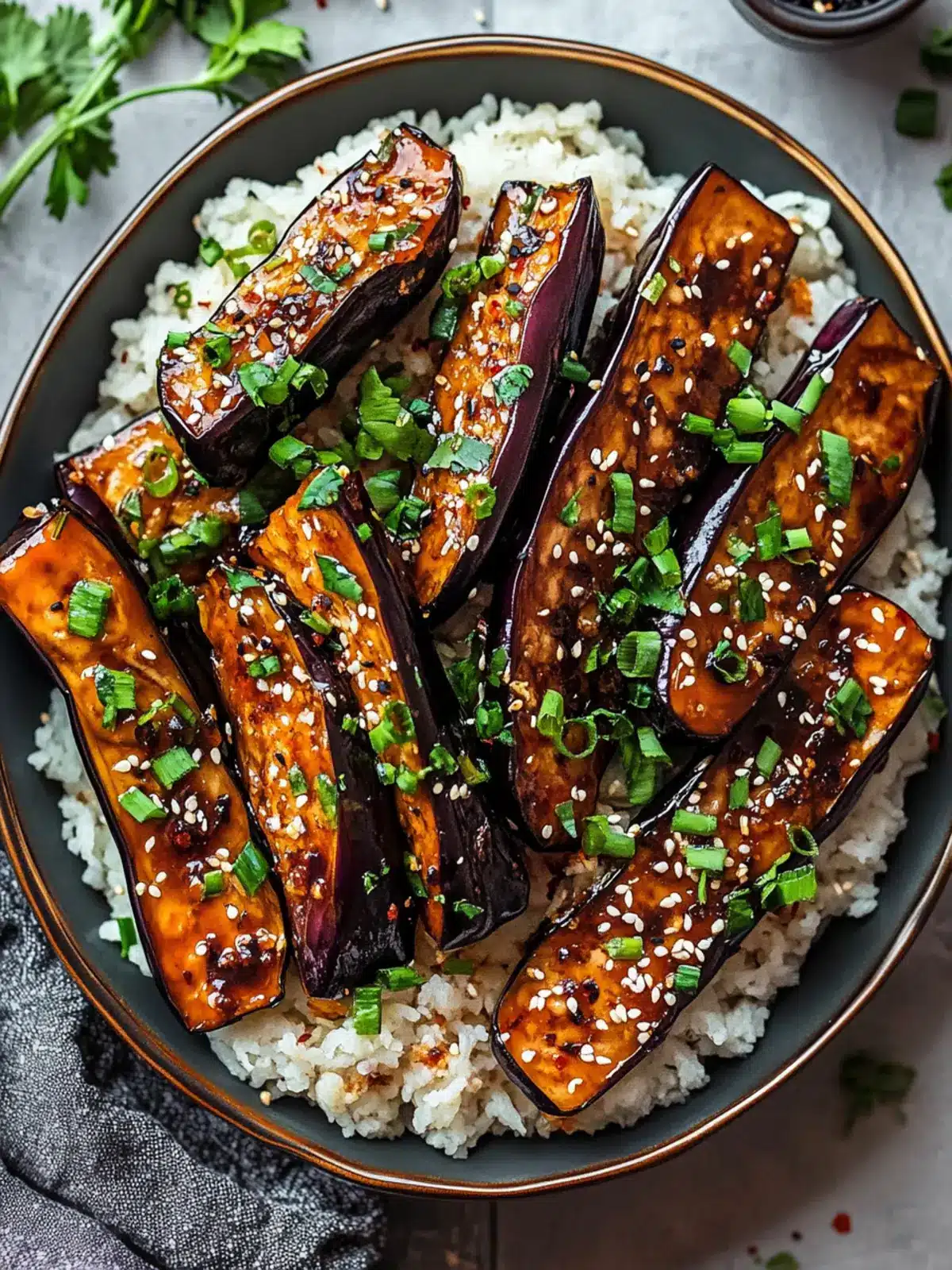
Why is Gochujang Eggplant a Must-Try?
Gochujang Eggplant is your ticket to flavor heaven! Quick cooking is its forte, with a delightful meal ready in under 30 minutes. Vibrant flavors from the gochujang blend harmoniously with the creamy eggplant, making each bite a taste sensation. Versatile ingredient options allow you to customize this dish, whether served with rice or paired with a fresh salad. Plus, it’s a fantastic way to add a gluten-free option to your repertoire! Dive into this easy recipe and discover your new favorite weeknight dinner!
Gochujang Eggplant Ingredients
For the Sauté
Eggplant Use medium eggplants cut into 1-inch cubes for optimal cooking time.
Vegetable Oil Ideal for sautéing; choose an oil with a high smoke point, like canola or grapeseed.
Garlic Freshly minced garlic enhances the dish’s aromatic base.
Ginger Freshly minced ginger is preferred for the best flavor.
Salt Add to taste to enhance all the flavors.
For the Sauce
Gochujang This Korean red chili paste provides the bold heat and umami flavor; choose the spice level according to your taste.
Soy Sauce Adds salty depth; opt for a gluten-free variant if needed.
Rice Vinegar Introduces acidity for balance; can be replaced with apple cider vinegar.
Honey or Maple Syrup This natural sweetness counters the spice; use maple syrup for a vegan option.
Sesame Oil Essential for authentic flavor, imparting a delightful nuttiness.
For the Garnish
Green Onions Reserve some for topping the dish, adding freshness and flavor.
Sesame Seeds For garnishing, add texture and flavor; toast for a deeper taste if desired.
Enjoy crafting this Gochujang Eggplant dish that’s both quick and bursting with flavor!
How to Make Gochujang Eggplant
Mix the Sauce: In a small bowl, combine the gochujang, soy sauce, rice vinegar, honey (or maple syrup), and sesame oil. This flavorful sauce will be the highlight of your dish, so set it aside for later use.
Heat the Oil: In a large skillet or wok, warm vegetable oil over medium-high heat. You want the oil hot enough to help the eggplant sauté beautifully!
Sauté Garlic and Ginger: Add the minced garlic and ginger, sautéing for about 1 minute until fragrant. The aroma will fill your kitchen and get your taste buds excited!
Cook the Eggplant: Toss in the cubed eggplant, sprinkle with a pinch of salt, and stir occasionally. Cook until tender and slightly browned, about 8-10 minutes. Keep an eye on it for the perfect texture!
Add the Sauce: Reduce the heat to medium, pour the gochujang sauce over the cooked eggplant, and stir in the chopped green onions (reserving some for garnish). This step melds all those fantastic flavors together.
Finish Cooking: Allow the mixture to cook for another 2-3 minutes so the flavors blend. Once everything looks deliciously coated, transfer it to a serving dish.
Garnish: Top your Gochujang Eggplant with the reserved green onions and a sprinkle of sesame seeds before serving. This touch adds both flavor and visual appeal!
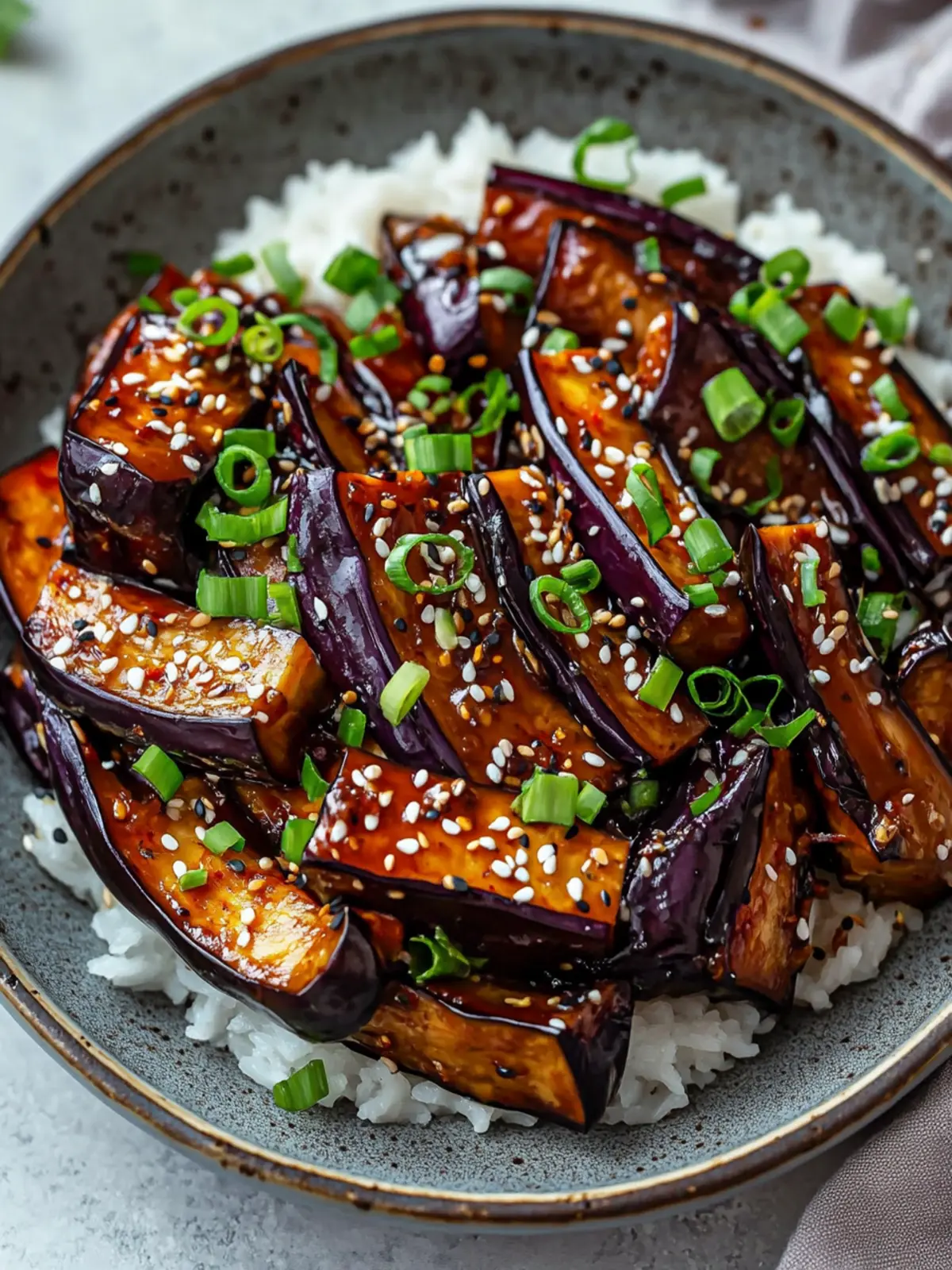
Optional: Serve over rice or quinoa for a complete meal.
Exact quantities are listed in the recipe card below.
Make Ahead Options
Gochujang Eggplant is perfect for meal prep enthusiasts! You can prepare the sauce (gochujang, soy sauce, rice vinegar, honey, and sesame oil) up to 24 hours in advance, allowing the flavors to meld beautifully. Additionally, chop the eggplant and store it in an airtight container to prevent browning, which keeps it fresh for up to 3 days. When you re ready to serve, simply sauté the garlic and ginger, then add the cubed eggplant, cooking until tender. Finally, mix in the pre-made sauce and finish cooking for a quick weeknight meal. With these prep steps, you ll enjoy just as delicious results with minimal effort!
How to Store and Freeze Gochujang Eggplant
Fridge: Store the Gochujang Eggplant in an airtight container in the fridge for up to 3-4 days. This will help maintain its flavors and texture.
Freezer: For longer storage, freeze the dish in an airtight container. It can last up to 3 months, but best if consumed sooner for the best taste.
Reheating: When ready to enjoy, thaw in the fridge overnight and reheat on the stove over medium heat until warmed through. You can add a splash of water to revive the sauce s consistency.
Room Temperature: Avoid leaving Gochujang Eggplant out at room temperature for more than 2 hours to ensure food safety.
Gochujang Eggplant Variations
Feel free to explore and personalize your Gochujang Eggplant dish with these exciting ideas!
Protein Boost: Add chickpeas or cooked lentils for a hearty, plant-based protein option that elevates the dish.
Zucchini Swap: Replace the eggplant with zucchini for a lighter dish that remains wonderfully flavorful and satisfying.
Bell Pepper Twist: Toss in some bell peppers for extra color and crunch, enhancing the nutritional value and visual appeal.
Tofu Option: For a vegetarian alternative, try adding cubed tofu that absorbs the spices beautifully while providing a different texture.
Sweet Heat: Incorporate a teaspoon of sriracha to give the dish an even spicier kick, perfect for heat lovers!
Herb Garnish: Fresh cilantro or basil not only adds a burst of color but also provides a refreshing herbal note that complements the dish.
Nutty Flavor: Sprinkle chopped peanuts or cashews for a delightful crunch and creaminess that contrasts with the silky eggplant.
Coconut Cream: Drizzle some coconut cream on top for a rich, sweet balance against the spicy gochujang, creating a creamy finish.
Get creative, and enjoy the process of making this dish your own!
Expert Tips for Gochujang Eggplant
Perfect Texture: Cook the eggplant until tender and caramelized. This enhances its natural sweetness and prevents it from becoming mushy.
Spice Level: Adjust the amount of gochujang based on your heat preference. Start with a smaller amount, then gradually increase to achieve your ideal flavor.
Storage Guidance: Let the Gochujang Eggplant cool completely before storing. Keep it in an airtight container in the fridge for up to 3-4 days to maintain freshness.
Prepping Ingredients: Have all ingredients prepped and measured before cooking. This ensures a smooth process and helps keep your eggplant from overcooking.
Proper Sautéing: Use an oil with a high smoke point and ensure it s hot before adding the eggplant to achieve that perfect golden color and flavor.
What to Serve with Gochujang Eggplant?
Elevate your dining experience with perfect pairs that complement this vibrant dish!
Steamed Jasmine Rice: The fluffy, subtly aromatic rice soaks up the savory sauce beautifully, offering a neutral backdrop to the bold gochujang flavors.
Roasted Broccoli: Crunchy, slightly charred broccoli adds a delightful bite and a fresh, earthy contrast that brightens up the meal.
Cucumber Salad: A refreshing, tangy cucumber salad brings a cool, crisp element that perfectly balances the warmth and spice of the eggplant.
Pickled Radishes: These tangy bites cut through the richness of the sauce and offer a fabulous crunch, enhancing the overall texture of the meal.
Savory Quinoa: Nutty quinoa adds protein and a delightful chewiness. It absorbs flavors well, making it a wholesome base beneath the eggplant.
Sesame Noodles: These slightly sweet, nutty noodles complement the dish without overpowering it, adding a soft, chewy texture to your plate.
Green Tea: A warm cup of green tea refreshes the palate and brings a soothing element to your meal, making it a perfect beverage choice.
Indulging in these pairings transforms your Gochujang Eggplant into a complete and satisfying feast!
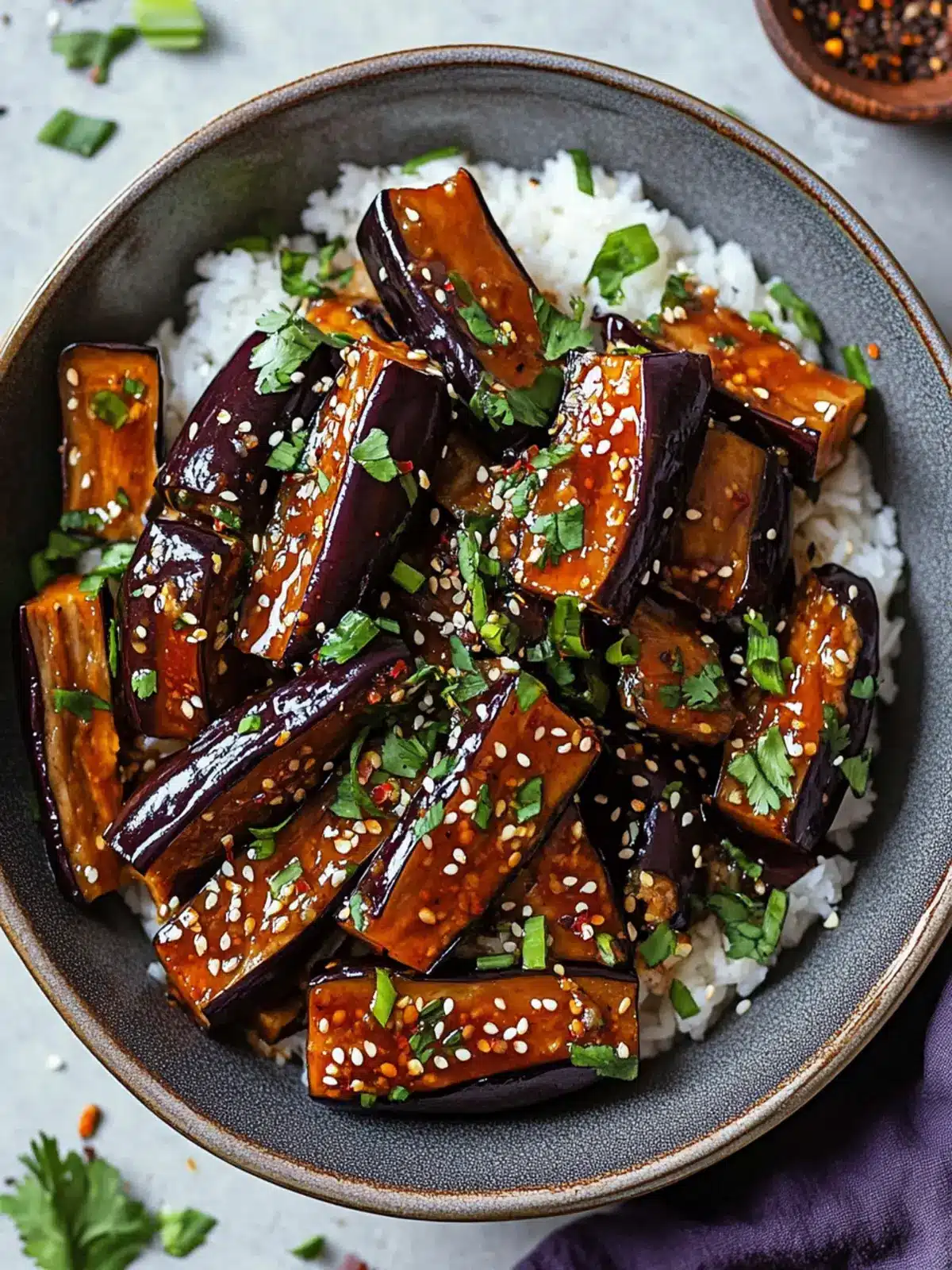
Gochujang Eggplant Recipe FAQs
What type of eggplant should I use for Gochujang Eggplant?
I recommend using medium eggplants cut into 1-inch cubes for optimal cooking time. Look for eggplants that are firm, slightly glossy, and free from dark spots. Choosing fresh, ripe eggplants will enhance the dish’s flavor and texture.
How long can I store Gochujang Eggplant in the fridge?
You can store your Gochujang Eggplant in an airtight container in the fridge for up to 3-4 days. Ensure it cools completely before sealing, which helps maintain its freshness and flavor.
Can I freeze Gochujang Eggplant? If so, how?
Absolutely! To freeze Gochujang Eggplant, first, let it cool completely. Then, transfer it into an airtight container, ensuring there s minimal air inside, and label it with the date. It can last up to 3 months in the freezer. When ready to eat, thaw it in the fridge overnight and reheat on the stove until warmed through.
What s the best way to reheat leftover Gochujang Eggplant?
To reheat, place the Gochujang Eggplant in a skillet over medium heat. If the sauce appears thick, add a splash of water to help revive its consistency, stirring occasionally until heated through. This method helps preserve the dish’s flavor and texture better than a microwave.
Are there any dietary considerations I should keep in mind?
Yes! This recipe is gluten-free if you use gluten-free soy sauce and works well for vegans if you opt for maple syrup instead of honey. Be cautious if you have allergies; check the labels for any potential cross-contamination, especially with the gochujang and soy sauce.
What should I do if my eggplant becomes mushy while cooking?
If you find your eggplant has turned mushy, it might be due to overcooking or using overly ripe eggplants. For the best texture, I recommend keeping an eye on it as it cooks. Aim for a tender yet slightly firm texture after about 8-10 minutes. If you’re uncertain, remove it from the heat sooner to avoid that mushy texture!