Sticky Asian Pork Ribs That Will Wow Your Dinner Guests
Last Updated on May 8, 2026 by enricorecipez
There s something breathtaking about the way the sweet, savory scent of Sticky Asian Pork Ribs begins to fill your home. With just a few spices and some tender love, these ribs transform into a dish that seems to hug your taste buds every time you take a bite. I first struck gold with this recipe during a lazy Sunday afternoon, when boredom pushed me to explore new flavors in my kitchen boy, am I glad I did!
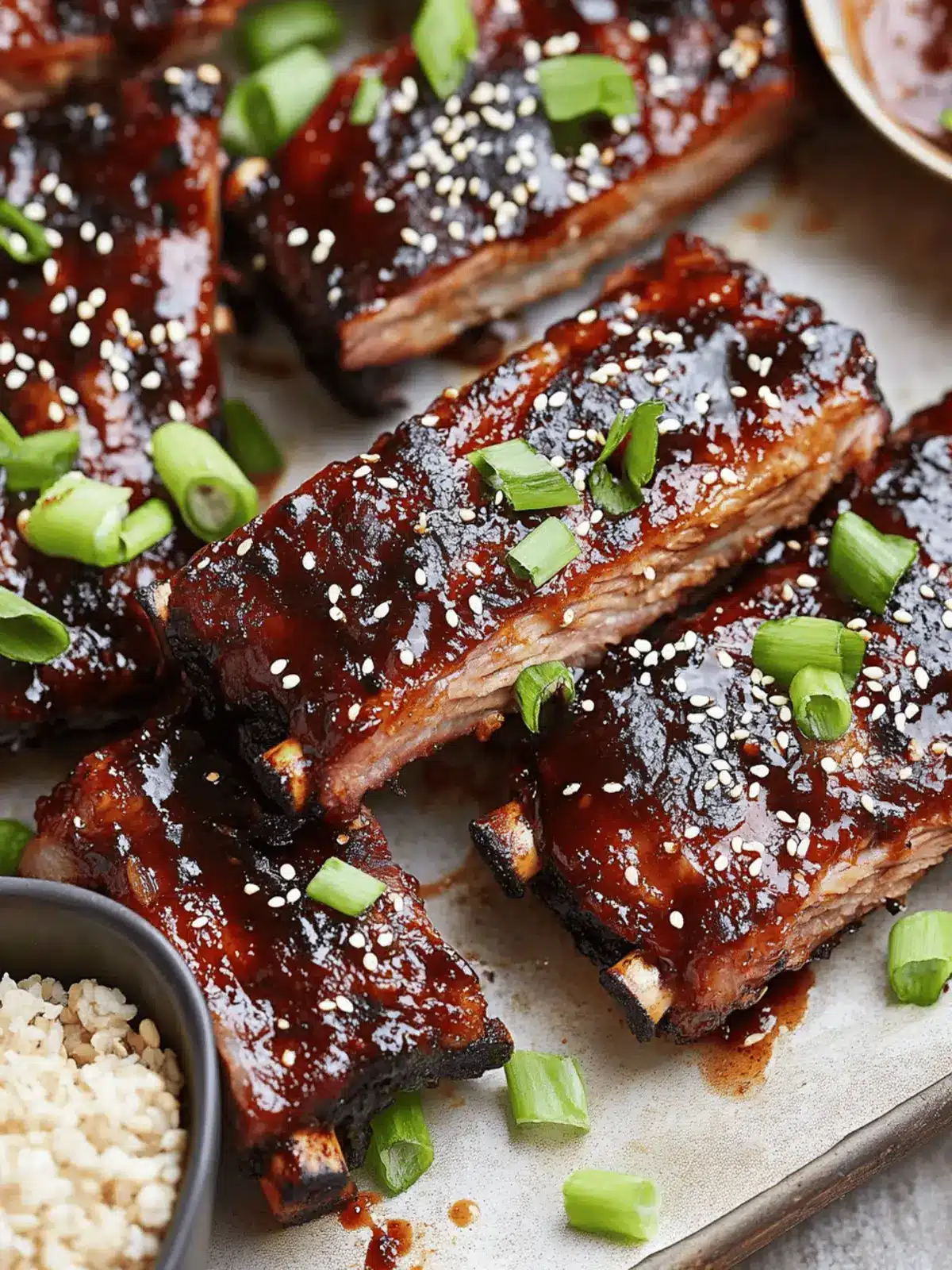
Imagine the juicy, fall-off-the-bone tenderness of the ribs melded with a glossy, sticky glaze that promises a burst of Asian-inspired flavor. Whether you’re elevating a weeknight barbecue or hosting a gathering of friends, this recipe is a fantastic go-to. Not only does it boast tantalizing flavors and impressive presentation, but it s easy enough to whip up without breaking a sweat. Get ready to impress your family with these show-stopping Sticky Asian Pork Ribs everyone will be reaching for seconds!
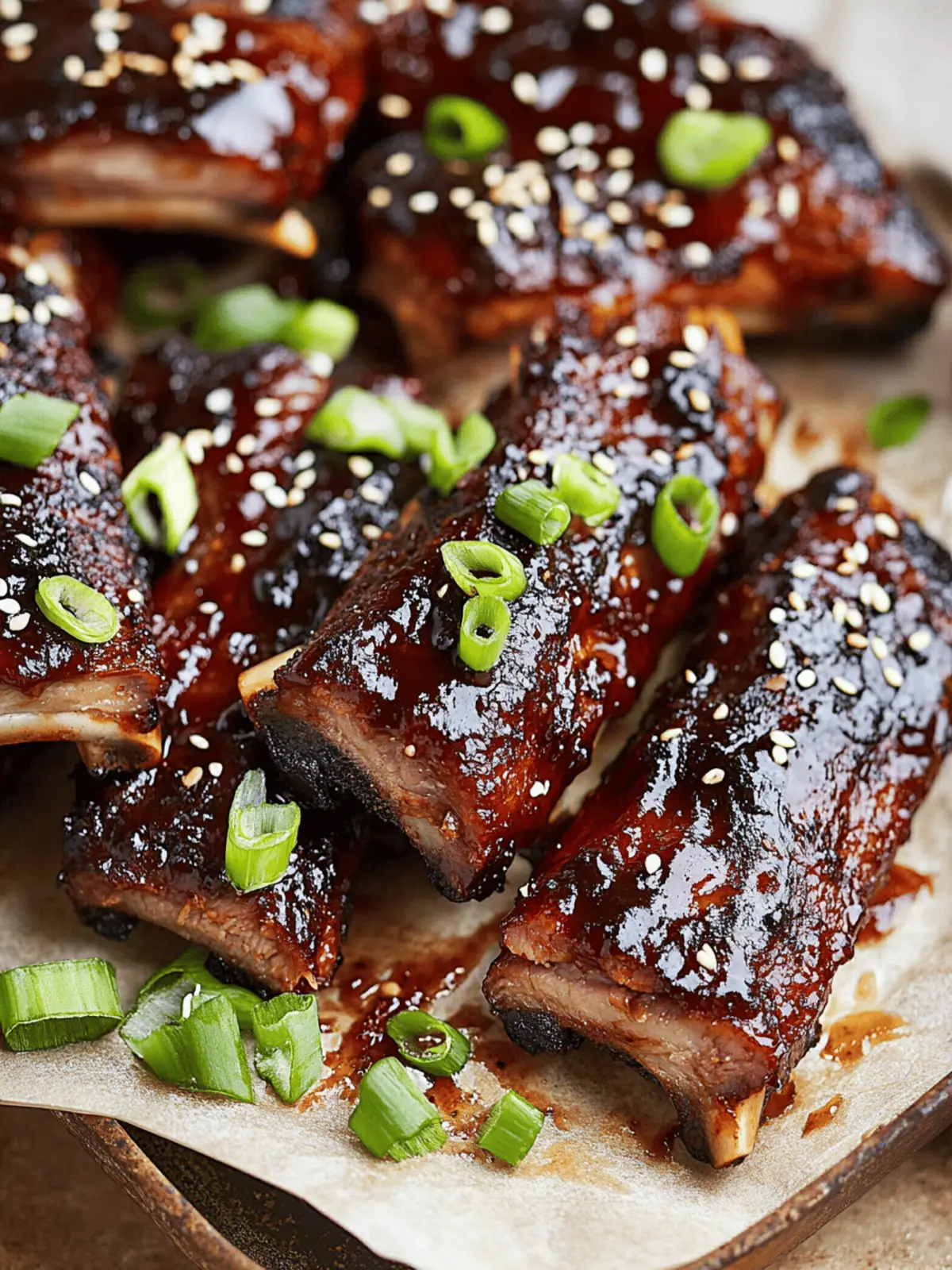
Why are Sticky Asian Pork Ribs a must-try?
Unforgettable Flavor: The mouthwatering blend of sweet and savory creates a unique taste that sticks with you long after the meal is over.
Easy Preparation: With just a handful of ingredients, you can impress your guests without complex techniques.
Perfect for Any Occasion: Whether it’s a casual weeknight dinner or a special gathering, these ribs are the star of the show.
Tender Love: Cooking them low and slow ensures every bite is tender and juicy, perfect for those who crave melt-in-your-mouth goodness.
Crowd-Pleasing Appeal: Everyone friends, family, or even picky eaters will rave about these ribs, making you their new favorite chef.
Elevate your grilling game and discover more about creating unforgettable BBQ moments by checking out our tips on barbecue essentials.
Sticky Asian Pork Ribs Ingredients
For the Ribs
2.5 pounds St. Louis or baby back ribs Choose your favorite type for a flavor-packed experience.
For the Rub
2 Tablespoons brown sugar This adds sweetness that balances the savory flavors beautifully.
2 teaspoons smoked paprika Adds a smoky depth to your ribs.
2 teaspoons Morton kosher salt Essential for enhancing all the flavors.
1 teaspoon granulated garlic Gives a rich, aromatic base to your spice mix.
1 teaspoon onion Adds a subtle sweetness that complements the garlic.
1/4 teaspoon ground ginger Introduces a warm, spicy kick to the rub.
1/4 teaspoon Chinese five spice A fragrant blend that brings complexity to the flavor profile.
1/4 teaspoon white pepper Offers a hint of heat without overpowering the dish.
For the Sticky Glaze
1 Tablespoon sesame oil Provides a nutty richness to the glaze.
10-12 cloves garlic, minced finely Infuses the sauce with robust flavor.
1 Tablespoon grated fresh ginger Brightens the glaze with fresh, zesty notes.
2/3 cup brown sugar The star ingredient for that coveted sticky sweetness.
1/2 cup soy sauce A salty, umami-packed contributor to the glaze.
1/3 cup rice vinegar Balances the sweetness with a touch of acidity.
1/4 cup honey Adds additional sweetness and a beautiful shine.
1 teaspoon red pepper flakes Optional, but it gives the sauce a delightful kick.
Dive into this recipe for Sticky Asian Pork Ribs and watch your family and friends savor every delectable bite!
How to Make Sticky Asian Pork Ribs
Preheat the oven to 275°F (135°C). Start by removing the silver skin from the back of the ribs. Cut the ribs into 3-4 portions and pat them dry with a paper towel for better seasoning adherence.
Mix the spice rub in a small bowl by combining brown sugar, smoked paprika, kosher salt, granulated garlic, onion, ground ginger, Chinese five spice, and white pepper. Generously coat all sides of the ribs with the rub in a large bowl, ensuring every bite is flavorful.
Wrap each rib portion tightly in aluminum foil and place them on a large baking sheet. Bake the baby back ribs for 2-2.5 hours and the St. Louis ribs for 2.5-3 hours until they are super tender.
Heat sesame oil in a small saucepan over medium-low heat. Add the minced garlic and grated ginger, sautéing for about 2 minutes or until the kitchen fills with their aromatic scent.
Combine the glaze ingredients: add brown sugar, honey, soy sauce, rice vinegar, and red pepper flakes to the pan. Bring the mixture to a boil over medium heat, stirring continuously. Reduce for 5-7 minutes until it thickens to a glossy consistency.
Unwrap the ribs, exposing the tops. Brush a generous amount of the sticky glaze over the ribs, ensuring they are well coated for maximum flavor.
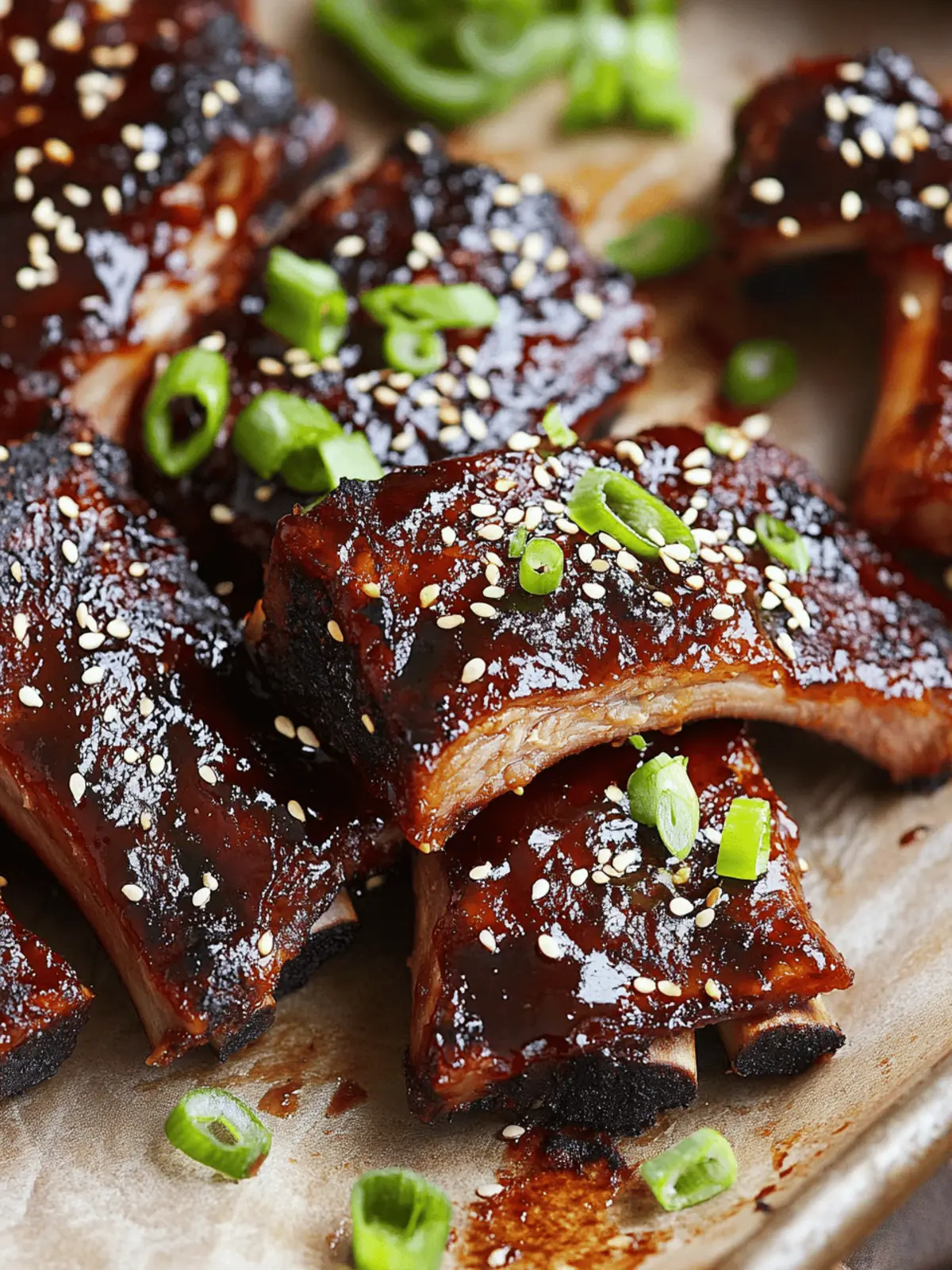
Broil on high for 2-3 minutes, watching closely to prevent burning, until the tops are lightly charred and caramelized to perfection. Slice the ribs into individual portions and serve with extra sauce on the side for dipping.
Optional: Garnish with sesame seeds or finely chopped green onions for a burst of freshness.
Exact quantities are listed in the recipe card below.
Tips for the Best Sticky Asian Pork Ribs
Choose Quality Ribs: Select fresh, well-marbled ribs for tender and juicy meat. Avoid pre-seasoned or frozen ribs, which can affect the flavor.
Pat Them Dry: After removing the silver skin, be sure to pat the ribs dry. This helps the spice rub adhere better for a flavorful crust.
Don’t Skip the Resting: Allow the ribs to rest for about 10 minutes after baking. This helps retain juices and enhances the final flavor of your Sticky Asian Pork Ribs.
Maintain Oven Temperature: Ensure consistent oven temperature while baking. This allows the ribs to cook evenly, yielding perfectly tender results without burning.
Watch the Broiler: When broiling, keep a close eye on the ribs. They can char quickly, so stay nearby and remove them once they reach that perfect charred look.
Make Ahead Options
These Sticky Asian Pork Ribs are fantastic for meal prep enthusiasts looking to save time on busy weeknights! You can prepare the spice rub and coat the ribs up to 24 hours in advance, then simply refrigerate them covered. For optimal flavor, let the ribs marinate in the rub overnight to enhance the taste. When you re ready to enjoy, bake the ribs as directed, then finish with the glaze and broil just before serving. This ensures that your ribs are just as delicious and tender as if you made them the same day. With these make-ahead tips, you can have impressive, restaurant-quality ribs with minimal effort!
What to Serve with Sticky Asian Pork Ribs?
Create the perfect dining experience to accompany your tantalizing ribs with delightful flavors and textures.
Crispy Coleslaw: The crunchiness and freshness of coleslaw offer a delightful contrast to the tender, sticky ribs. It balances the richness beautifully with its zesty dressing.
Steamed Jasmine Rice: This fragrant rice absorbs the sticky glaze perfectly, creating a comforting complement to the ribs. Simple yet satisfying, it rounds out the meal in the best way.
Grilled Corn on the Cob: Sweet, smoky, and slightly charred, grilled corn brings a burst of summer flavor to your table. Slather it with butter and a sprinkle of chili for an extra kick.
Spicy Pickled Vegetables: These tangy bites provide a refreshing contrast to the sweet ribs. The acidity cuts through the richness, awakening your taste buds with every bite.
Garlic Noodles: Rich, buttery noodles infused with garlic and herbs are a luxurious addition. They provide a comforting base to soak up the sticky sauce, enhancing every moment.
Chilled Soba Noodle Salad: This refreshing, chilled salad packs a nutty flavor that complements the ribs’ sweetness while offering a playful texture.
Fruit Salsa: A vibrant mix of diced mango, pineapple, and jalapeño adds a fresh, sweet, and spicy kick. It s a unique twist that beautifully enhances the dish.
Sauvignon Blanc: Sip on a chilled glass of Sauvignon Blanc, whose crisp acidity and fruity notes perfectly balance the rich umami flavors of the ribs.
Coconut Sorbet: To cleanse the palate, serve a refreshing coconut sorbet. Its creamy, tropical notes will leave everyone dreaming of sun-kissed beaches after the meal.
Sticky Asian Pork Ribs Variations
Feel free to get creative with your Sticky Asian Pork Ribs; your kitchen is your canvas!
Gluten-Free: Substitute soy sauce with tamari for a gluten-free option that keeps the flavors intact. This ensures everyone can indulge in this sticky goodness without worries.
Spicy Kick: Increase the red pepper flakes or add fresh sliced chili peppers to the glaze to heat things up. It elevates the flavor profile, adding a punch that can really excite your taste buds.
Honey Alternatives: Use maple syrup or agave nectar in place of honey for a unique twist on the sweetness. These alternatives provide a distinct flavor while ensuring that stickiness remains.
Herb Infusion: Incorporate fresh herbs like cilantro or green onions into the glaze for an added burst of freshness. They brighten the dish up and add a delightful textural contrast.
Add Fruit: Mix in pureed fruit, like pineapple or mango, into the glaze for a tropical twist. The natural sweetness and acidity will tie beautifully with the savoriness of the ribs.
Coconut Flavor: Integrate coconut aminos instead of soy sauce, offering a milder flavor along with a hint of sweetness. This variation introduces an intriguing layer to your ribs’ taste.
Smoke It Up: For a deeper smoky flavor, try using a smoker instead of the oven. The infusion of wood smoke elevates the dish, making each bite unforgettable.
Soy-Free: Replace soy sauce with a homemade blend of almond butter and apple cider vinegar to accomplish a similar umami taste without the soy. This unique twist keeps it delicious while accommodating various diets.
Dive into these variations and tailor your Sticky Asian Pork Ribs to match your taste preferences and dietary needs your family will love exploring with you!
How to Store and Freeze Sticky Asian Pork Ribs
Fridge: Store leftover ribs in an airtight container for up to 3 days. This keeps them moist and ready for quick meals.
Freezer: Wrap ribs tightly in plastic wrap and foil to prevent freezer burn. They can be frozen for up to 3 months; simply thaw in the fridge before reheating.
Reheating: To reheat, preheat your oven to 350°F (175°C), cover the ribs with foil, and warm for about 20-30 minutes. Brush with extra glaze for added flavor before serving.
Room Temperature: Avoid leaving ribs out at room temperature for more than 2 hours to maintain food safety.
Sticky Asian Pork Ribs Recipe FAQs
What type of ribs should I choose for Sticky Asian Pork Ribs?
Absolutely! You can use either St. Louis or baby back ribs for this recipe. St. Louis ribs are meatier and have more fat, providing great flavor and tenderness. Baby back ribs tend to be leaner and cook faster. Choose based on your preference for texture and taste.
How long can I store leftover Sticky Asian Pork Ribs in the fridge?
Definitely! Store leftover ribs in an airtight container for up to 3 days in the refrigerator. This will keep the meat moist and delicious, ready for those late-night cravings or lunchtime leftovers. Just make sure to let them cool down to room temperature before sealing.
Can I freeze Sticky Asian Pork Ribs? If so, how?
Very! Wrap your ribs tightly in plastic wrap and then in foil to prevent freezer burn. You can safely freeze them for up to 3 months. When you re ready to enjoy them, just let them thaw in the fridge overnight before reheating for the best flavor and texture.
What s the best way to reheat Sticky Asian Pork Ribs?
The best way is to preheat your oven to 350°F (175°C). Place the ribs in a baking dish, cover them with foil to retain moisture, and heat for about 20-30 minutes. For an extra flavor boost, brush them with some additional glaze before serving!
How can I tell if my ribs are cooked properly?
Look for a few signs to know your ribs are perfectly cooked. They should be tender and juicy, separating easily from the bone when you gently pull at them. Additionally, look for that beautiful glossy glaze and a slight char on top after broiling. If they appear excessively dried out or tough, they may need a bit more time in the oven next time!
Are there any dietary considerations for Sticky Asian Pork Ribs?
Absolutely! If you’re cooking for guests with food allergies or dietary restrictions, be mindful of the soy sauce, which contains gluten. You can easily substitute tamari or coconut aminos for a gluten-free option. Additionally, the honey and brown sugar make this dish unsuitable for strict low-sugar diets, so consider alternative sweeteners if necessary.