
Crispy Halibut Tempura with Spring Onion Rice & Pickles Delight
Last Updated on May 8, 2026 by enricorecipez
As I entered my kitchen the other day, the faint scent of dashi stock bubbling on the stove instantly transported me to a cozy izakaya tucked away in a Tokyo alley. With a simple yet elegant dish in mind, I decided to whip up Halibut Tempura with Japanese Pickles & Spring Onion Rice, a recipe that has quickly become a favorite in my home. This delightful combination of crispy, golden halibut paired with the vibrant flavors of spring onions and tangy pickles not only satisfies my cravings but also impresses guests without causing stress in the kitchen.
There’s something about biting into the crunchy tempura batter that gives way to tender, flaky halibut that feels like a little culinary secret shared between friends. And the rice? It’s a fragrant, flavorful base that transforms ordinary meals into extraordinary experiences. Whether you’re stepping away from fast food or looking for a delightful homemade feast, this recipe is your answer to weeknight dinner boredom. So, grab your aprons, and let s dive into this flavor-packed adventure together!
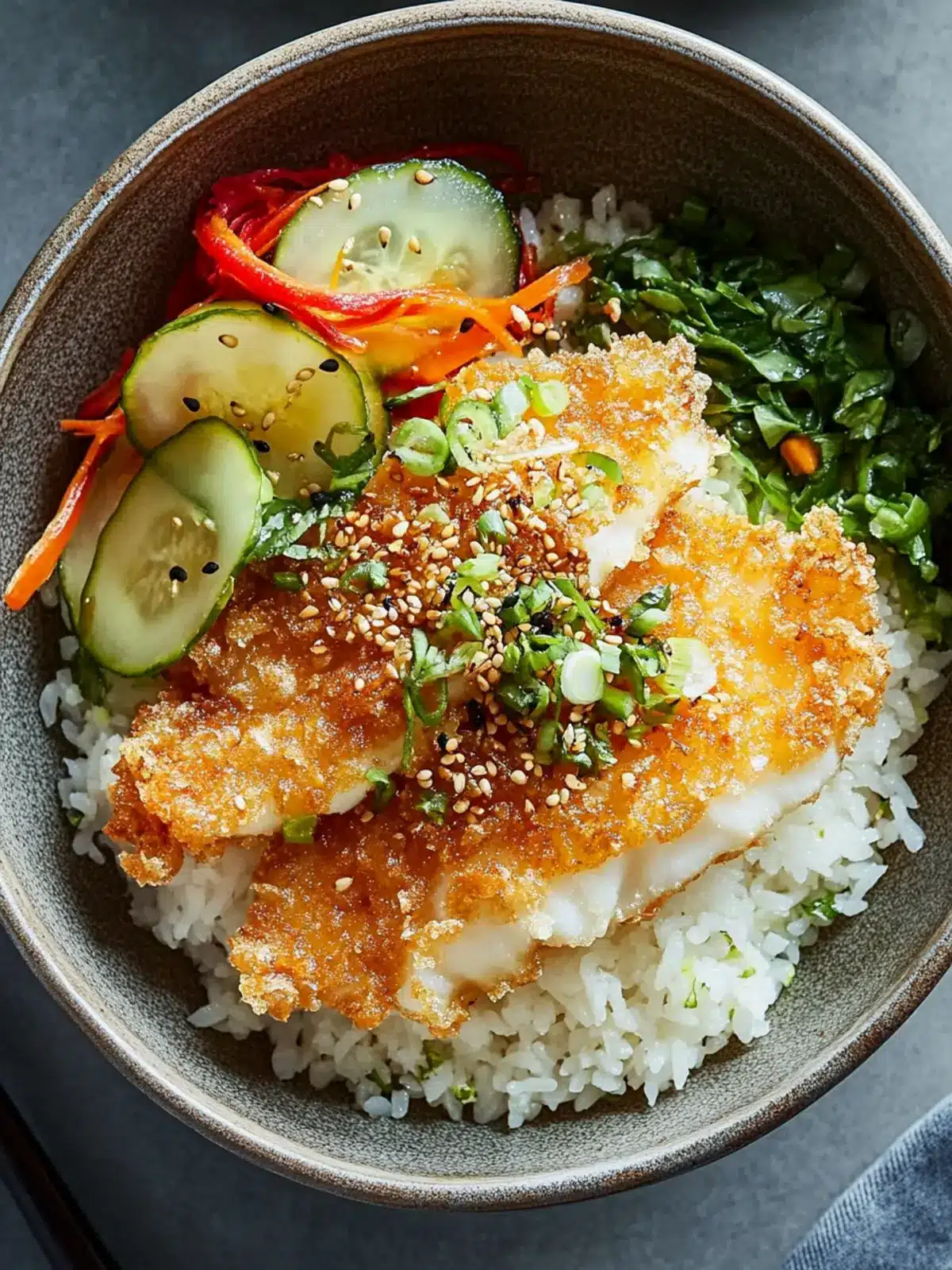
Why is Halibut Tempura with Japanese Pickles & Spring Onion Rice a must-try?
Crispy delight: This dish features halibut fillets coated in a light tempura batter, delivering a satisfying crunch with every bite.
Flavor explosion: Paired with the aromatic spring onion rice and tangy Japanese pickles, it creates a harmonious blend that excites your palate.
Easy to master: Even if you’re new to cooking, the straightforward steps ensure a hassle-free experience perfect for impressing family and friends!
Versatile serving: Great as a main course for gatherings or a cozy weeknight dinner, it’s sure to please everyone at the table.
Comforting goodness: With its umami-rich dashi stock and fresh ingredients, this recipe is a warm hug in food form.
Quick preparation: You’ll spend very little time in the kitchen to create this gourmet masterpiece that will have everyone asking for seconds!
Halibut Tempura Ingredients
For the Halibut
Boneless halibut fillets a mild, flaky fish that becomes wonderfully tender when fried.
Flour for dusting helps the batter adhere to the fish for that perfect crispy texture.
Eggs for batter adds richness and binds the tempura mix to the halibut.
Tempura batter mix provides a light, airy coating that’s essential for that crispy crunch.
For the Rice
Short-grain rice its sticky texture pairs well with the flaky halibut, ensuring each bite is delightful.
Finely chopped spring onions adds a fresh, vibrant flavor that brightens the whole dish.
Dashi stock the umami-rich base that infuses the rice with a deep, savory flavor.
For Serving
Japanese pickles these tangy bites are the perfect accompaniment that cuts through the richness of the tempura.
Canola oil for frying recommended for its high smoke point; it crisps the batter beautifully.
Soy sauce a dash enhances the dish’s flavor profile, balancing the richness of the fish.
Salt and white pepper to taste elevate the flavors, ensuring your halibut tempura truly shines!
How to Make Halibut Tempura with Japanese Pickles & Spring Onion Rice
Rinse the short-grain rice thoroughly under cold water until the water runs clear. This step helps remove excess starch, ensuring that your rice cooks up fluffy and perfect. Then, cook it with 2 cups of dashi stock in your rice cooker or a pot for a delightful flavor infusion.
Season the 4 boneless halibut fillets generously with salt and white pepper. This simple seasoning ensures that the delicate flavors of the fish shine through once it s crisp and golden.
Dust each halibut fillet with flour. This creates a great base layer that helps the batter stick. Afterward, dip the fillet into the beaten eggs, fully coating it, before coating it with tempura batter mix.
Heat canola oil in a deep frying pan over medium-high heat. Once the oil is shimmering, carefully fry the halibut fillets until they turn golden brown and crispy, about 3-5 minutes per side. Remember to drain the fillets on kitchen paper to remove excess oil after frying.
Mix the cooked short-grain rice with the finely chopped spring onions in a large bowl. Drizzle in 1 tablespoon of soy sauce and stir to combine, enhancing the rice with vibrant flavors.
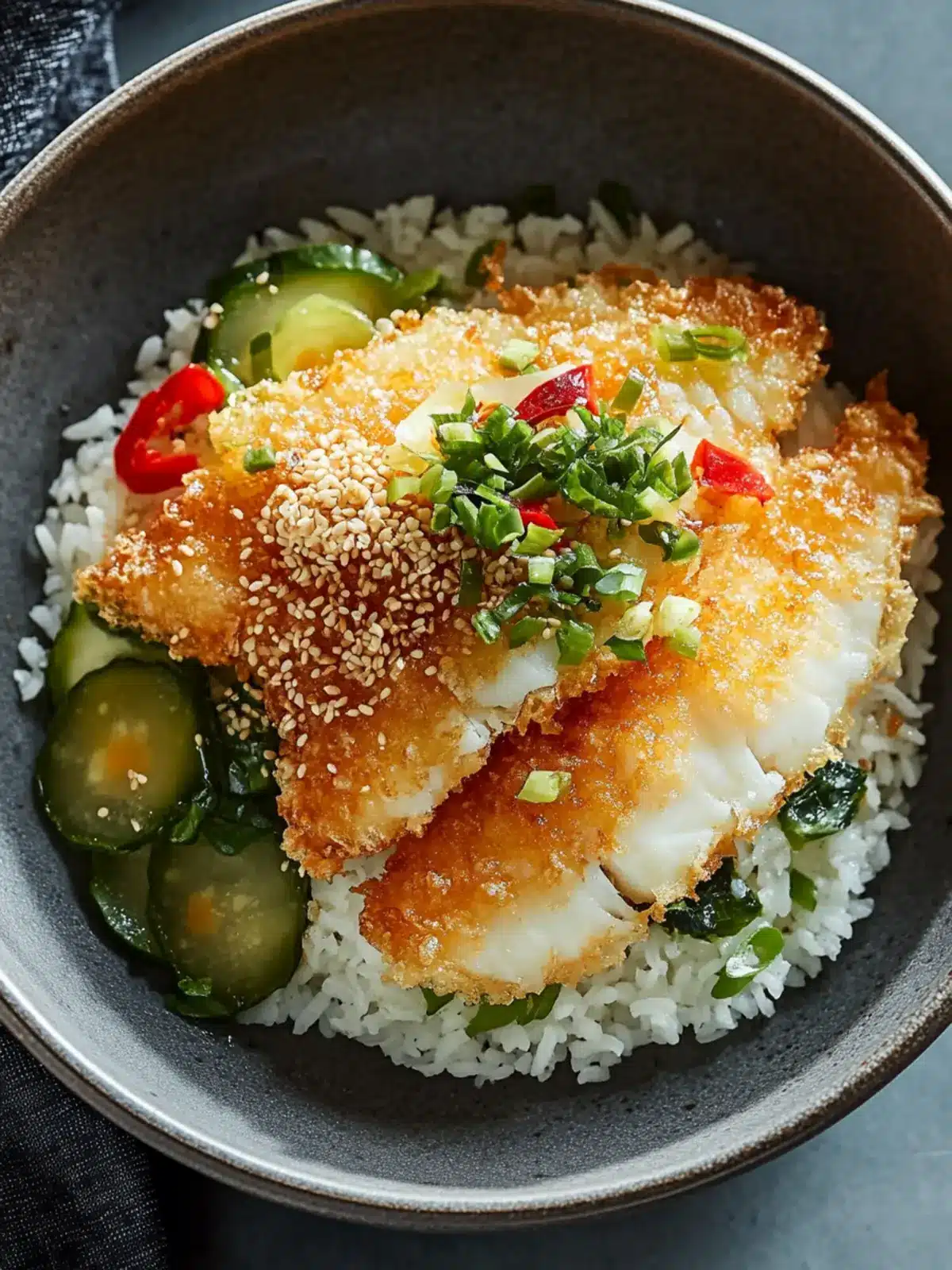
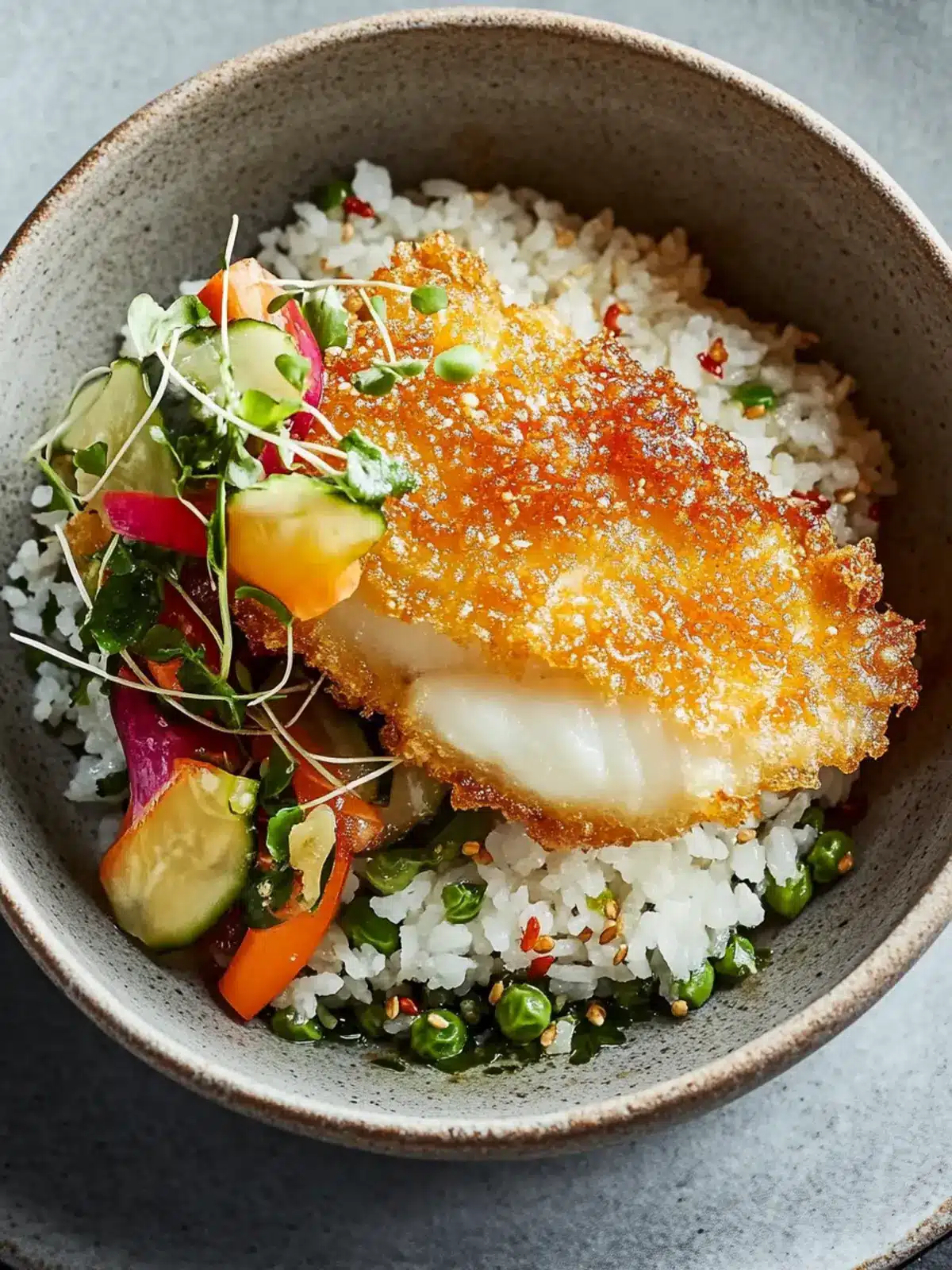
Serve the crispy halibut fillets atop a warm bed of the spring onion rice and pair it with a side of colorful Japanese pickles for a beautiful presentation and delightful contrast of flavors.
Optional: Garnish with additional chopped spring onions for an extra burst of freshness.
Exact quantities are listed in the recipe card below.
What to Serve with Halibut Tempura with Japanese Pickles & Spring Onion Rice?
Creating the perfect dinner experience involves more than just an impressive main dish; it s about crafting a meal that delights the senses.
Crispy Tempura Vegetables: These lightly battered and fried veggies add a delightful crunch and an array of colors to your plate, enhancing your dining experience while complementing the halibut perfectly.
Miso Soup: A warm bowl of miso soup pairs beautifully with the tempura, adding a comforting umami flavor. The lightness of the soup balances the richness of the fish, making each bite feel just right.
Steamed Edamame: A simple yet tasty choice, lightly salted edamame offers a fresh and nutty flavor that contrasts nicely with the tempura. These little green beans are not only delicious, but they also add a pop of color and a fun finger-food element!
Namasu Salad: This vibrant Japanese pickled vegetable salad provides a refreshing crunch, perfectly complementing the tanginess of the pickles served with your dish. It adds brightness and a burst of flavor that ties everything together.
Sake or Green Tea: Sip on a chilled glass of sake or a warm cup of green tea as you enjoy your meal. Both beverages enhance the flavors of the dish while offering a traditional touch to your dining experience.
Mochi Ice Cream: For dessert, this delightful treat comes in various flavors, providing a sweet, chewy bite to round off the meal. The creaminess of the mochi ice cream beautifully contrasts with the crispiness of the tempura, leaving your taste buds satisfied.
Halibut Tempura Variations
Feel free to personalize your dish with these delicious twists that will elevate your Halibut Tempura experience!
Gluten-Free: Substitute regular flour with a gluten-free flour blend and use a gluten-free tempura mix for both the batter and dusting.
Add Spice: For a kick, sprinkle cayenne or chili powder in the tempura batter mix. The warm heat complements the crispy halibut beautifully.
Crispy Veggies: Toss in some thinly sliced zucchini or sweet potatoes along with the halibut. They ll take on a veggie tempura twist that s colorful and tasty.
Herb Infusion: Mix finely chopped fresh herbs like cilantro or basil into the spring onion rice. This adds freshness and flavor, creating a delightful contrast.
Coconut Twist: Use coconut milk instead of dashi stock for cooking the rice. This adds a subtle sweetness that pairs wonderfully with the savory fish.
Citrus Zing: Grate some lemon or yuzu zest into your rice for a bright, zesty flavor that cuts through the richness of the tempura.
Sweet Pickles: Switch your Japanese pickles for sweet and sour pickles to introduce a different flavor profile, enhancing each bite with a tangy sweetness.
Asian Slaw Side: Pair your dish with an easy-to-make Asian slaw of thinly sliced cabbage, carrots, and a dash of sesame oil for a crunchy, vibrant side featuring contrasting flavors.
Storage Tips for Halibut Tempura with Japanese Pickles & Spring Onion Rice
Room Temperature: Best enjoyed fresh, but if needed, you can keep it out for up to 2 hours before serving to maintain optimal texture.
Fridge: Store any leftover halibut tempura and rice in an airtight container for up to 3 days. Keep the pickles separately to maintain their crunchiness.
Freezer: For longer storage, freeze the halibut tempura (without the rice) in an airtight container for up to 2 months. Thaw in the fridge before reheating.
Reheating: To reheat the halibut tempura, place it in a preheated oven at 375°F (190°C) for about 10-15 minutes, or until heated through and crispy again.
Make Ahead Options
These Halibut Tempura with Japanese Pickles & Spring Onion Rice are perfect for busy weeknights or meal prep enthusiasts! You can prep the rice and spring onion mixture up to 24 hours in advance. Simply cook the short-grain rice with dashi stock, then mix in finely chopped spring onions and soy sauce; allow it to cool before refrigerating. You can also season the halibut fillets with salt and white pepper up to 3 days ahead; just keep them covered in the refrigerator to maintain freshness. When you’re ready to serve, fry the halibut fillets until golden brown and warm the rice. This way, you ll enjoy a delicious homemade meal that comes together with minimal effort and just as delightful as if made fresh!
Expert Tips for Halibut Tempura
Proper Coating: Ensure your halibut fillets are evenly coated with flour before dipping in batter. This helps the tempura stick better, preventing it from falling off during frying.
Correct Oil Temperature: Use a thermometer to check that the oil is around 350°F (175°C) before frying. Too low, and the fish becomes soggy; too high, and it burns quickly.
Light Batter: Mix the tempura batter just enough to avoid overmixing; lumps are okay! Overmixing can lead to a heavy texture instead of the desired light and crispy coating.
Season Rice Well: Don t skip the soy sauce in your spring onion rice it s essential for elevating flavors and preventing blandness. Use your taste buds to adjust seasoning!
Serve Immediately: For the best experience, serve the halibut tempura right after frying. Crispy textures are best enjoyed fresh, paired with the flavorful Japanese pickles and spring onion rice.
Mind the Portions: Easy to overindulge with this delicious dish! Pair your halibut tempura with just the right amount of rice and pickles to keep every bite satisfying without feeling heavy.
Halibut Tempura with Japanese Pickles & Spring Onion Rice Recipe FAQs
What type of halibut should I use for this recipe?
Absolutely! Look for fresh, boneless halibut fillets with a bright, translucent appearance. The flesh should be firm to the touch without any dark spots. Fresh fish will guarantee that tender, flaky texture you’re after when frying.
How do I store leftover halibut tempura and rice?
For storing, place any leftover halibut tempura and spring onion rice in airtight containers. They can be refrigerated for up to 3 days. Separate the pickles, as they maintain their crispness better when stored apart. Always ensure they are cooled to room temperature before sealing for storage.
Can I freeze halibut tempura?
Yes! To freeze halibut tempura, allow it to cool completely and place it in an airtight container or freezer bag. You can freeze it for up to 2 months. When ready to enjoy, thaw the tempura in the fridge overnight and reheat in a preheated oven at 375°F (190°C) for about 10-15 minutes to restore its crispy texture.
What should I do if my tempura batter is too thick?
If your tempura batter is too thick, just add a little cold water, a tablespoon at a time, while gently stirring until you reach a thinner, more fluid consistency. This ensures that your batter will adhere lightly to the fish, creating that perfect airy crunch. Remember, lumps are okay; take care not to overmix, as it can create a denser batter.
Is this dish safe for children or those with allergies?
While this dish is delicious, it s essential to consider dietary restrictions, especially with children. The soy sauce contains gluten, so you could substitute with a gluten-free version if needed. Additionally, ensure that no one at the table has an allergy to fish or eggs, both of which are integral to this recipe.
What s the best way to reheat leftover rice?
To reheat leftover spring onion rice, you can use a microwave or stovetop. For microwave: place it in a bowl, add a splash of water, cover, and heat in 30-second intervals until warm, stirring in between. On the stove, add a tiny drizzle of water in a pan, cover, and heat gently over low until warmed through, adding moisture as necessary to prevent drying out.