
Savor Traditional Greek Roasted Vegetables Like a Pro
Last Updated on May 8, 2026 by enricorecipez
As the sun sets and the aroma of olive oil mingles with freshly chopped herbs, I find myself transported to a quaint taverna in Greece. The scent of Traditional Greek Roasted Vegetables Briam is a delightful reminder of simpler times, where meals were shared and laughter flowed as freely as the wine.
After a long week of hectic schedules and fast food detours, I craved something wholesome and vibrant. This dish became my answer a colorful medley of seasonal vegetables, lovingly roasted to perfection. With just a handful of ingredients like zucchini, potatoes, and fresh garlic, Briam not only fills the kitchen with its enticing fragrance but also delivers layers of rich Mediterranean flavors that will please everyone at the table.
Whether you’re looking to impress guests or simply want a comforting meal to bring the family together, this recipe is a true celebration of home-cooked goodness. Plus, it s surprisingly easy to prepare, making it an ideal choice for busy weeknights or leisurely weekends. Let s dive into the joy of making this traditional dish and embrace the warmth of Mediterranean flavors right in our own kitchens!
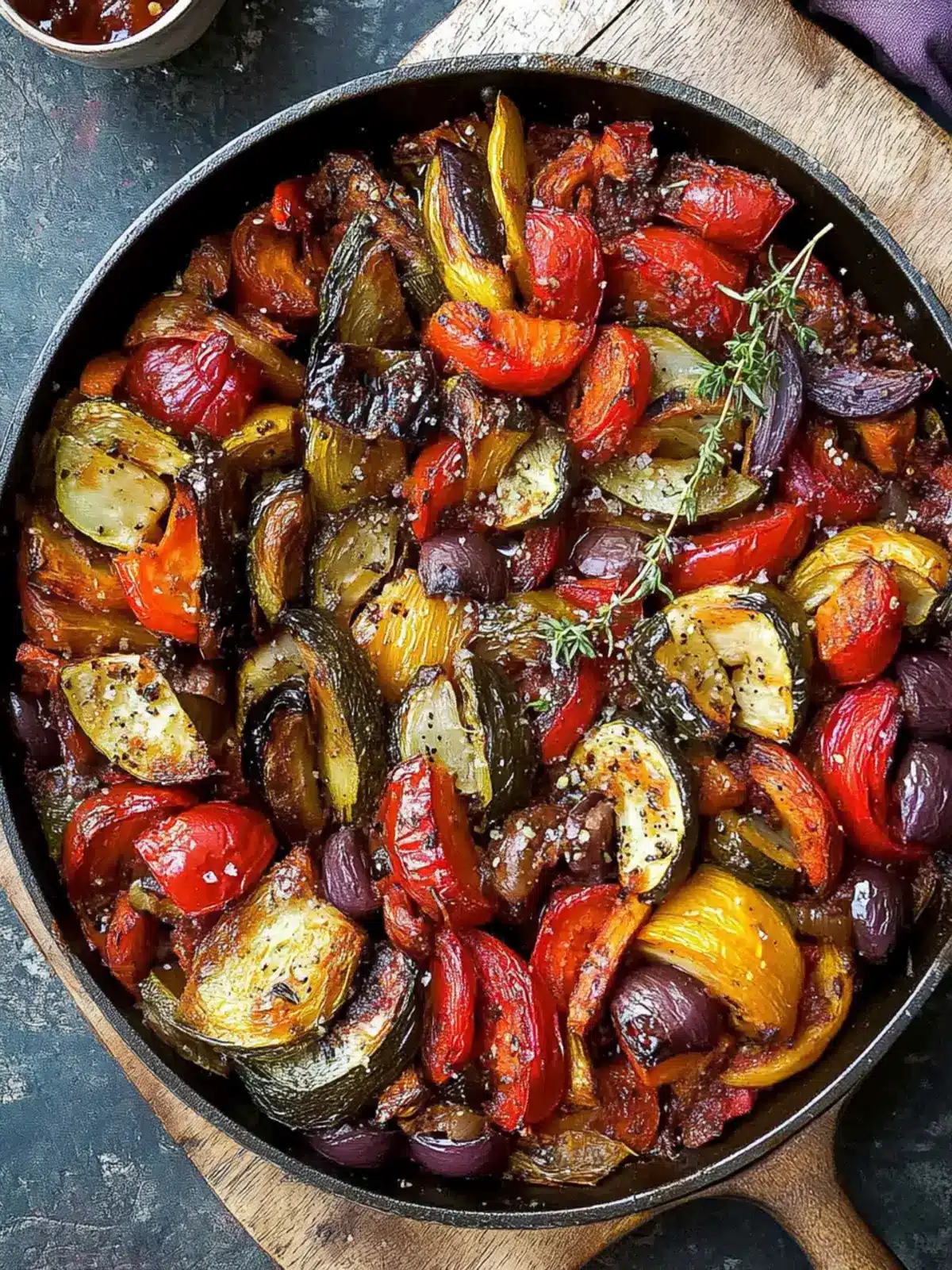
Why love Traditional Greek Roasted Vegetables?
Simplicity at its core: This recipe requires minimal cooking skills, making it approachable for everyone.
Flavor explosion: A delightful mix of garlic, oregano, and fresh herbs create an unforgettable taste.
Versatile side or main: Serve alongside grilled meats or as a delicious vegetarian dish that stands alone.
One-pan wonder: Reduce clean-up time without sacrificing flavor; everything cooks together beautifully.
Crowd-pleaser: Whether for family dinners or gatherings, Briam will impress your guests and family alike.
Traditional Greek Roasted Vegetables Ingredients
For the Vegetables
- Gold potatoes Perfect for their creamy texture, they form the hearty base of this dish.
- Zucchini squash Adds a subtle sweetness and vibrant color to your mix.
- Salt and pepper Essential seasonings to enhance flavors throughout the dish.
- Dried oregano A classic herb in Greek cuisine that creates the aromatic profile of Briam.
- Dried rosemary Just a touch adds depth and an earthy note to the vegetables.
- Fresh parsley Brightens the dish with a fresh burst of color and taste.
- Garlic cloves Infuse the vegetables with fabulous flavor; don t hold back on the minced goodness!
- Extra virgin olive oil Choose high-quality Early Harvest Greek olive oil for an authentic taste.
- Canned diced tomatoes Using organic, no-salt added tomatoes ensures a natural sweetness and depth.
- Red onion Sweet and savory, they re a must for adding complexity to the dish.
Each bite of these Traditional Greek Roasted Vegetables brings the essence of the Mediterranean right to your dining table!
How to Make Traditional Greek Roasted Vegetables
Preheat your oven to 400 degrees F, ensuring it’s nice and warm for optimal roasting. Place a rack in the middle so the heat circulates evenly around the dish.
Combine sliced potatoes and zucchini in a large mixing bowl. Generously season with salt, pepper, oregano, and rosemary. Add fresh parsley, minced garlic, and a good splash of extra virgin olive oil. Toss until everything is well-coated and fragrant.
Layer half of the canned diced tomatoes in a large round pan or oven-safe skillet, spreading them evenly to cover the bottom. This will create a delicious base for your vegetables.
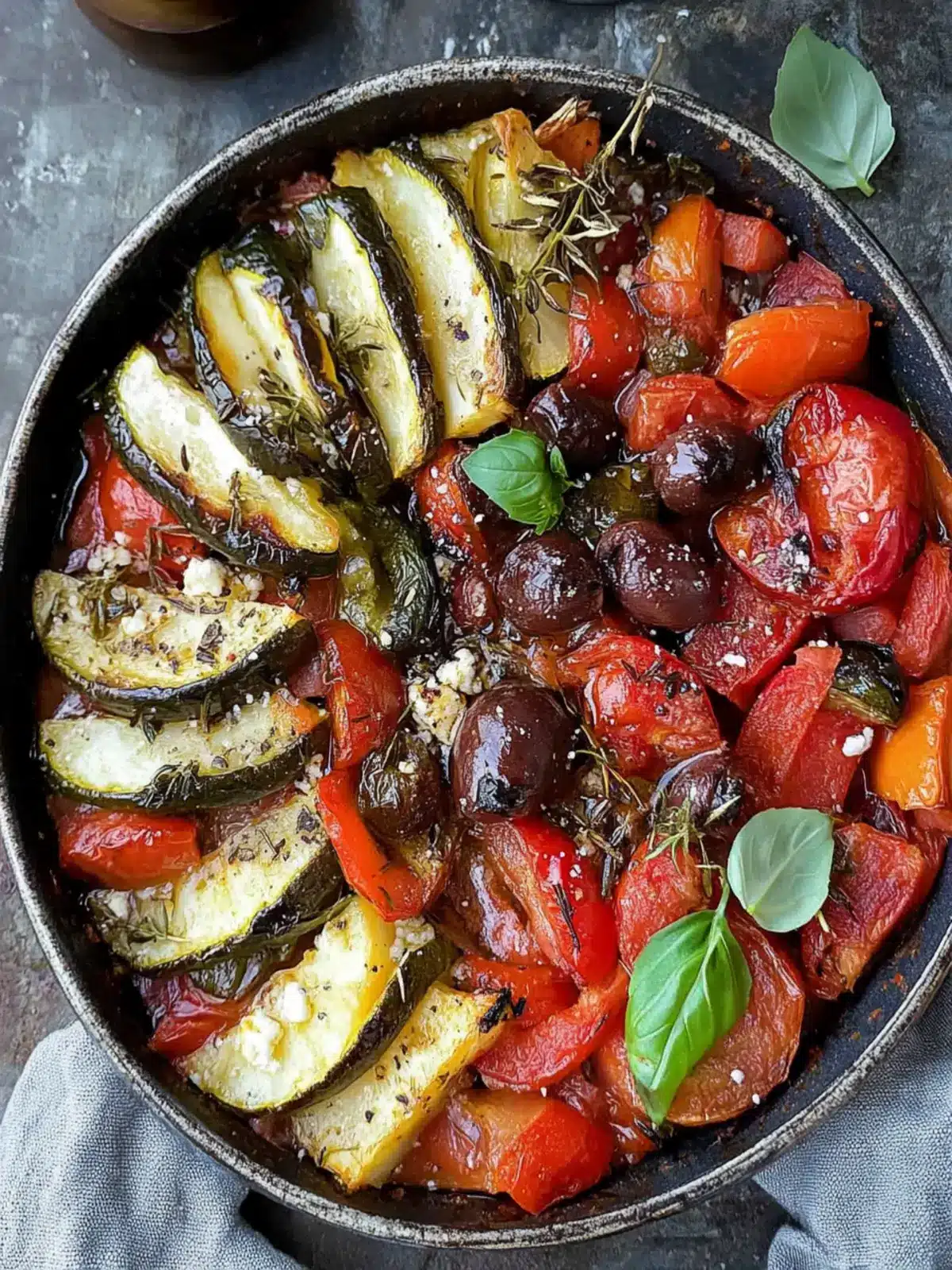
Arrange the seasoned potatoes, zucchini, and sliced onions in the pan, taking your time to create elegant rows. This not only looks beautiful but allows for even cooking.
Drizzle any remaining olive oil and garlic mixture over the vegetables. Top it off with the remaining diced tomatoes, adding another layer of flavor to your dish.
Cover the pan with foil, tenting it to prevent contact with the veggies. Bake for 45 minutes, allowing the vegetables to steam and soften beautifully.
Uncover the pan carefully after 45 minutes, allowing those delightful aromas to escape. Return it to the oven uncovered and roast for an additional 30-40 minutes, or until the veggies are soft, charred, and most of the liquid has evaporated.
Serve warm or at room temperature, finishing with an extra drizzle of high-quality extra virgin olive oil to enhance the flavors. Enjoy!
Optional: Garnish with a sprinkle of fresh parsley before serving for an extra pop of color.
Exact quantities are listed in the recipe card below.
Make Ahead Options
Preparing Traditional Greek Roasted Vegetables in advance is a fantastic way to save time during busy weeknights! You can chop and season the potatoes, zucchini, onions, and garlic up to 24 hours ahead. Simply store them in an airtight container in the refrigerator to maintain freshness. To keep the vegetables vibrant and prevent them from browning, cover the container tightly. When you’re ready to cook, layer the seasoned veggies with the canned diced tomatoes in your pan, add the olive oil, and then bake as directed. This way, you can enjoy the rich flavors and aromas of Briam without the last-minute rush!
Expert Tips for Traditional Greek Roasted Vegetables
Choose the right vegetables: Use fresh, seasonal produce for the best flavors. Overripe or soft vegetables can disrupt the texture of your dish.
Slice evenly: Aim for uniform thickness in your vegetable slices to ensure they cook evenly. If they vary too much, some may be undercooked while others are charred.
Toss well: Don t skimp on tossing the veggies in olive oil and seasonings. Complete coverage will enhance the flavors of your Traditional Greek Roasted Vegetables and prevent dryness.
Watch the liquid: Keep an eye on the roasting process. If the dish seems too wet, it may need additional time uncovered to get that lovely char and reduce excess moisture.
Customize your herbs: Feel free to experiment with fresh herbs like thyme or basil in addition to oregano. This can elevate your Briam with new layers of flavor.
What to Serve with Traditional Greek Roasted Vegetables?
Create a delightful Mediterranean feast that tantalizes the senses and warms the heart.
- Grilled Chicken Skewers: Juicy, marinated chicken adds protein and balances the dish’s vegetarian flavors beautifully.
- Feta Cheese Salad: A fresh mix of greens, olives, and feta complements the earthy notes of Briam. It introduces a creamy texture that elevates every bite.
- Couscous with Lemon: Light and fluffy, the citrus notes brighten the flavors here, making it a perfect base for the vegetables to shine.
- Pita Bread: Soft, warm pita is perfect for scooping up the roasted vegetables, adding a fun and interactive element to your meal.
- Red and White Wine: A chilled glass of Sauvignon Blanc or a light-bodied red wine enhances the dining experience, providing a crisp contrast to the dish s rich flavors.
- Baklava: This sweet, flaky pastry provides a delightful end to your meal, connecting wonderfully with the Mediterranean cuisine theme.
- Tzatziki Sauce: Creamy and refreshing, this yogurt-based sauce can elevate your vegetable dish, offering a cooling contrast to the warmth of Briam.
- Roasted Bell Peppers: Sweet and slightly charred, they add color and a slight crunch that harmonizes with the soft texture of the vegetables.
- Olive Oil Cake: This moist and fragrant dessert rounds off your meal perfectly, echoing the rich olive oil used in the dish.
- Herbed Quinoa: Nutty quinoa topped with fresh herbs introduces a healthy grain that rounds out the experience, making it wholesome and filling.
Storage Tips for Traditional Greek Roasted Vegetables
Room Temperature: Enjoy your Briam warm or at room temperature within 2 hours of cooking for the best flavor and freshness.
Fridge: Store any leftovers in an airtight container for up to 3 days. To keep flavors intact, cover the dish tightly.
Freezer: For longer storage, freeze portions in airtight containers for up to 2 months. Thaw in the refrigerator before reheating.
Reheating: Reheat in the oven at 350°F (175°C) until heated through, about 15-20 minutes. A splash of olive oil can refresh the flavors of your Traditional Greek Roasted Vegetables!
Variations & Substitutions for Traditional Greek Roasted Vegetables
Feel free to get creative and make this dish your own with delightful twists and substitutions!
Sweet Potato: Swap gold potatoes for sweet potatoes for a hint of sweetness and added nutrition.
Bell Peppers: Incorporate bell peppers for a burst of color and sweetness. Their vibrant crunch will elevate the dish!
Spicy Kick: Add red pepper flakes or diced jalapeños to bring a touch of heat to your Briam.
Herb Blend: Experiment with fresh herbs like thyme or dill for a unique aromatic profile that complements the traditional flavors perfectly.
Vegan Option: To make this dish fully vegan, simply ensure your olive oil and canned tomatoes are vegan-friendly, which they typically are!
Cheesy Finish: Top it off with crumbled feta cheese before the final roasting for a creamy, salty contrast that pairs beautifully with the vegetables.
Grain Addition: Serve over a bed of cooked quinoa or couscous for a heartier meal packed with texture and protein.
Roasting Alternative: Grill the vegetables on an outdoor grill for a smoky finish, capturing the essence of summer even in the colder months.
Let each variation sing its own delicious tune, bringing your personal touch to this comforting traditional recipe!
Traditional Greek Roasted Vegetables Recipe FAQs
How do I select the best vegetables for Briam?
Absolutely! For the best flavor, choose fresh, seasonal vegetables. Look for firm, unblemished gold potatoes and zucchini without dark spots or soft spots. They should feel heavy for their size and have vibrant skins. Fresh parsley should be bright green, avoiding any yellowing or wilting.
How long can I store leftover Briam in the fridge?
Very! Leftovers can be stored in an airtight container in the refrigerator for up to 3 days. Ensure the container is well-sealed to maintain freshness and flavor, keeping the dish as delightful as the day it was made.
Can I freeze Briam, and if so, how?
Absolutely! To freeze your Traditional Greek Roasted Vegetables, let them cool completely after cooking. Then, portion them into airtight containers or freezer bags, ensuring to remove as much air as possible. They can be stored for up to 2 months. When ready to eat, simply thaw in the refrigerator overnight and reheat in the oven.
What should I do if my vegetables are mushy after cooking?
Ah, the texture dilemma! If you find your veggies are mushy, it could be due to overcooking or the use of too much moisture. Next time, try cutting your vegetables into thicker slices for better structure, and keep an eye on the roasting process, adjusting time according to your oven’s performance. You can also try reducing the amount of diced tomatoes or not covering them for the entire cooking time to allow moisture to evaporate.
Are there any dietary considerations for Briam?
Definitely! This recipe is quite versatile and vegetarian-friendly, making it suitable for many dietary preferences. However, if serving to pets, be cautious as garlic can be toxic to dogs. For those with allergies, double-check labels on canned tomatoes for potential cross-contamination with allergens, especially if you have sensitivities to certain preservatives.
How should I reheat Briam for the best flavor?
Great question! To reheat, preheat your oven to 350°F (175°C). Place the leftovers in an oven-safe dish, adding a splash of extra virgin olive oil to help revitalize the flavors. Heat for about 15-20 minutes or until warmed through, letting the veggies crisp up slightly to enhance texture and taste. Enjoy!